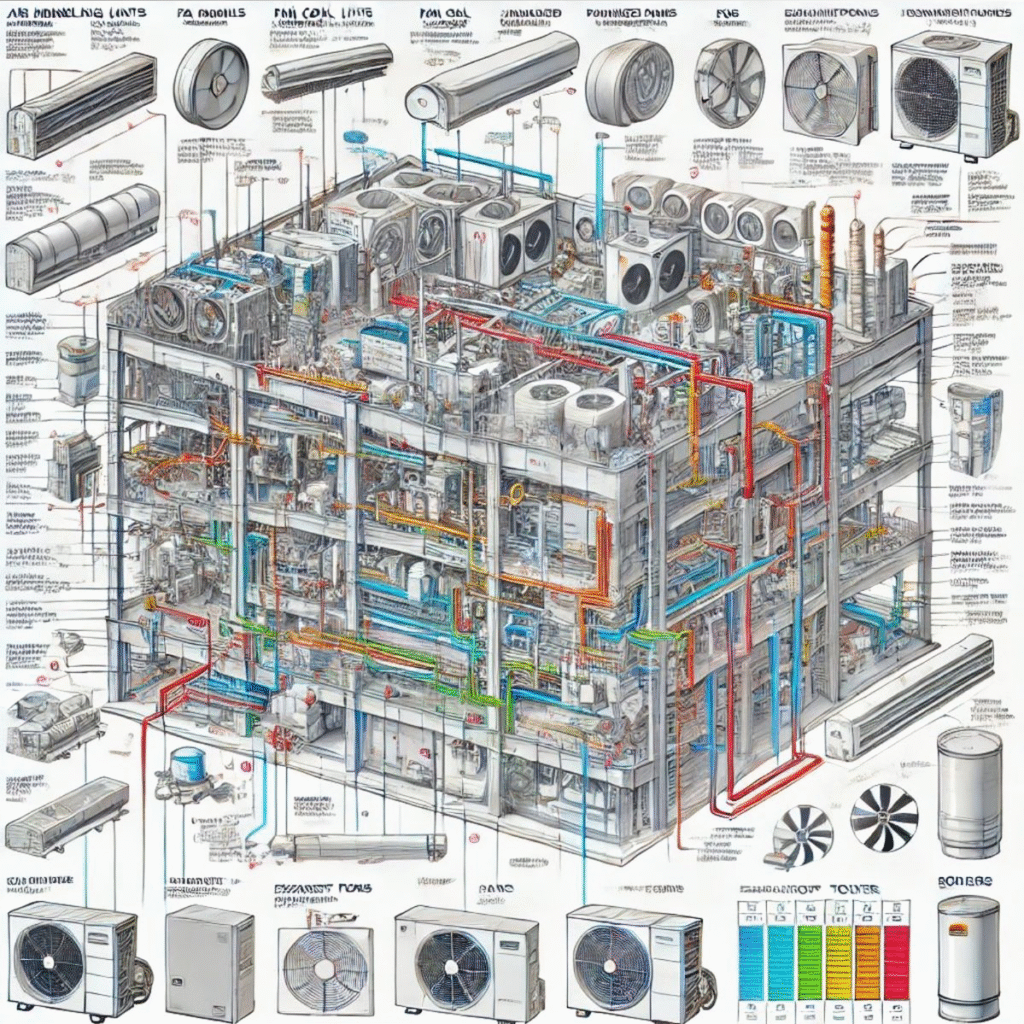
HVAC stands for Heating, Ventilation, and Air Conditioning. It is a system designed to provide indoor comfort by controlling temperature, humidity, and air quality in residential, commercial, and industrial buildings. HVAC systems are widely used in homes, offices, hospitals, factories, shopping malls, hotels, and many other environments where maintaining a comfortable indoor climate is essential.
Understanding HVAC Systems
An HVAC system combines several technologies and components that work together to regulate indoor environments. The three main functions include:
1. Heating
The heating part of an HVAC system is responsible for keeping indoor spaces warm during cold weather. Common heating equipment includes boilers, furnaces, heat pumps, and radiators. In modern buildings, heating systems are designed to improve energy efficiency while maintaining stable indoor temperatures.
2. Ventilation
Ventilation ensures fresh air circulation inside buildings. It removes dust, odors, smoke, moisture, and airborne contaminants while bringing in clean outdoor air. Proper ventilation improves indoor air quality and helps create a healthier environment for occupants.
3. Air Conditioning
Air conditioning systems cool indoor spaces during hot weather by removing heat and controlling humidity levels. Air conditioners, chillers, and cooling units are commonly used in HVAC systems to maintain a comfortable atmosphere.
Main Components of HVAC Systems
A standard HVAC system may include several important components:
- Air conditioners
- Heat pumps
- Boilers
- Furnaces
- Ventilation fans
- Air ducts
- Thermostats
- Valves and fittings
- Pumps and control systems
Each component plays a critical role in ensuring the system operates efficiently and reliably.
Applications of HVAC
HVAC systems are essential in many industries and applications, including:
- Residential homes
- Commercial office buildings
- Hotels and restaurants
- Hospitals and healthcare facilities
- Industrial manufacturing plants
- Data centers
- Shopping malls
- Schools and universities
Modern HVAC technology is especially important in smart buildings and energy-efficient construction projects.
Benefits of HVAC Systems
Improved Comfort
HVAC systems maintain stable indoor temperatures throughout the year, providing comfort in both summer and winter.
Better Air Quality
Proper ventilation and filtration help reduce allergens, dust, bacteria, and pollutants.
Energy Efficiency
Advanced HVAC systems use modern technologies to reduce energy consumption and operating costs.
Humidity Control
Maintaining proper humidity levels helps prevent mold growth and protects furniture, equipment, and building materials.
Increased Productivity
Comfortable indoor environments can improve employee productivity and customer satisfaction.
Energy Efficiency in HVAC
Energy efficiency has become one of the most important trends in the HVAC industry. Many businesses and homeowners now choose high-efficiency HVAC systems to reduce electricity consumption and lower carbon emissions.
Technologies such as smart thermostats, inverter compressors, and energy-saving valves help optimize HVAC performance. Sustainable HVAC solutions are increasingly popular worldwide as industries focus on environmental protection and green building standards.
Importance of HVAC Components
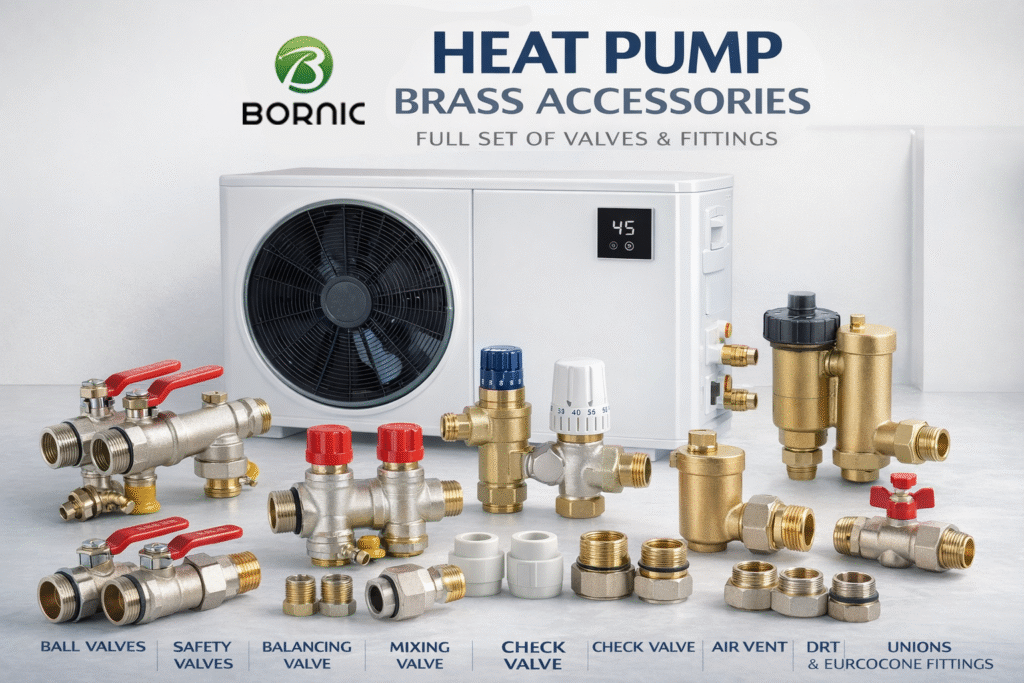
High-quality HVAC components are essential for system reliability and long-term performance. Brass valves, balancing valves, thermostatic valves, fittings, and control devices are widely used in HVAC systems to regulate water flow, pressure, and temperature.
Reliable HVAC parts help reduce maintenance costs and improve operational efficiency. Manufacturers that provide durable and precision-engineered HVAC products play an important role in the global construction and heating industry.
Future of the HVAC Industry
The HVAC industry continues to grow rapidly due to urbanization, industrial development, and increasing demand for energy-efficient buildings. Smart HVAC systems integrated with IoT technology and automation are becoming more common in modern construction projects.
As global demand for sustainable climate control solutions increases, HVAC systems will remain an essential part of residential, commercial, and industrial infrastructure.
Conclusion
HVAC systems are vital for creating comfortable, healthy, and energy-efficient indoor environments. By combining heating, ventilation, and air conditioning technologies, HVAC systems improve air quality, temperature control, and overall living conditions.
Whether for homes, offices, factories, or commercial buildings, HVAC solutions continue to play a key role in modern life and sustainable development.