
A BORNIC Technical Guide for Valve Distributors, Importers and Plumbing Professionals
When sourcing valves and pipe fittings, two markings are especially important: DN and PN. DN identifies the nominal size of a valve or pipeline component, while PN indicates its nominal pressure designation.
Understanding these ratings helps buyers select compatible components for plumbing, water supply, heating and HVAC systems. For distributors and OEM customers, it also helps prevent specification errors before an order enters production.
At BORNIC, we manufacture brass valves and pipe fittings for international B2B markets. This guide explains how to read DN and PN markings and what to check when selecting products for your application.
1. What Do DN and PN Mean?
What Is DN in a Valve?
DN stands for nominal diameter. It is a standardized size designation used for valves, pipes and other pipeline components.
For example, DN15, DN20 and DN25 are common nominal sizes in plumbing and heating systems. However, DN is not necessarily the exact measured internal diameter or external diameter of a product.
When selecting brass ball valves, check valves, radiator valves or pipe fittings, buyers should confirm the actual connection dimensions and thread standard, not rely on the DN marking alone.
What Is PN in a Valve?
PN stands for nominal pressure. It identifies the pressure designation assigned to a component under the applicable standard.
For example, PN16 and PN25 are common pressure designations in valve and piping applications. They should not be interpreted as an unconditional maximum working pressure at every temperature or under every operating condition.
The allowable pressure depends on the product design, material, temperature, applicable standard and manufacturer’s specifications.
Why Are DN and PN Both Important?
DN helps determine whether components are dimensionally compatible. PN helps determine whether the pressure rating is appropriate for the system.
A valve with the correct connection size may still be unsuitable if its pressure rating is insufficient. Similarly, a valve with a suitable pressure rating may not connect correctly if the thread type or dimensions do not match the pipeline.
2. Common DN Sizes for Brass Valves and Pipe Fittings
The following table provides a general reference for common nominal sizes. Actual dimensions and applications vary by product design and connection standard.
| Nominal size | Approximate inch designation commonly encountered | Typical applications |
|---|---|---|
| DN10 | 3/8″ | Small plumbing connections and auxiliary lines |
| DN15 | 1/2″ | Household water lines, radiator valves and compact plumbing systems |
| DN20 | 3/4″ | Water distribution, heating circuits and general plumbing |
| DN25 | 1″ | Main branch connections and larger plumbing circuits |
| DN32 | 1 1/4″ | Larger water distribution and heating lines |
| DN40 | 1 1/2″ | Higher-flow plumbing and heating applications |
| DN50 | 2″ | Larger pipeline systems, depending on product range |
Important: DN and inch sizes are nominal designations, not universal direct conversions. Confirm the applicable thread standard, connection dimensions and product drawing before ordering.
For BORNIC OEM and wholesale orders, providing the nominal size together with a drawing, thread specification or reference sample can help reduce compatibility issues.
3. Understanding Common PN Pressure Ratings
PN designations are widely used in European and international piping specifications. The following table shows the nominal pressure values commonly associated with selected PN markings.
| Pressure designation | Nominal pressure value | Selection consideration |
|---|---|---|
| PN6 | 6 bar | Only for applications whose design requirements permit this rating |
| PN10 | 10 bar | Common in certain water distribution systems |
| PN16 | 16 bar | Frequently specified for plumbing, water supply and HVAC components |
| PN20 | 20 bar | Used for products designed and rated for this pressure designation |
| PN25 | 25 bar | Used in applications requiring a higher nominal pressure designation |
| PN40 | 40 bar | Typically associated with suitably designed industrial components |
These values are nominal pressure designations, not a guarantee that every product bearing the same number can operate at that pressure under all conditions.
Always check the manufacturer’s rated working pressure, test requirements and temperature limitations for the specific product.
Does Temperature Affect Pressure Rating?
Yes. Temperature can affect the mechanical properties of materials and the performance of sealing components.
When evaluating a valve, consider:
- The maximum and minimum operating temperatures.
- The material used for the body and internal components.
- The seal material, such as EPDM or NBR, where applicable.
- The rated pressure at the intended operating temperature.
- The fluid being conveyed and the relevant product standard.
For example, a brass valve used in a heating circuit must be evaluated for both pressure and temperature. The suitability of the sealing material must also be confirmed for the intended medium.
4. PN and ANSI Class: Are They Interchangeable?
PN and ANSI/ASME Class are different pressure designation systems. They should not be treated as exact equivalents simply because their nominal pressure values appear similar.
| Item | PN system | ANSI/ASME Class system |
|---|---|---|
| Designation examples | PN10, PN16, PN25 | Class 150, Class 300 |
| Typical use | Many European and international specifications | Many North American industrial specifications |
| Pressure interpretation | Nominal pressure designation | Pressure class defined by the applicable standard |
| What to verify | Product standard, temperature and rated pressure | Material group, temperature-pressure rating and applicable standard |
A Class 150 component is not automatically interchangeable with a PN16 component. Compatibility depends on more than pressure alone, including dimensions, flange drilling, material and temperature-pressure requirements.
For threaded brass valves and fittings, buyers should pay particular attention to the specified thread system, such as BSP or NPT. These threads should not be assumed interchangeable.
5. How to Select the Right DN and PN
When choosing brass valves and pipe fittings for plumbing or HVAC systems, use the following checklist.
Step 1: Confirm the Pipeline Size
Identify the nominal size of the pipe and the required valve connection. Check whether the connection uses BSP, NPT, another thread type or a different connection design.
Step 2: Confirm the Operating Pressure
Determine the normal working pressure, design pressure and any possible pressure surges. Select a product whose documented rating meets the system requirements.
Step 3: Check the Temperature and Medium
Confirm the fluid, operating temperature and chemical compatibility. Water, glycol mixtures, oils and other media may require different material or seal considerations.
Step 4: Verify the Product Specification
Check the manufacturer’s datasheet for rated pressure, temperature limits, connection dimensions, material and applicable standards. Do not select a product based on DN or PN alone.
Step 5: Confirm the Relevant Testing Requirements
Depending on the application, the purchasing specification may require pressure testing, leakage testing, material verification or other inspections. Confirm the applicable standard and acceptance criteria before placing the order.
Step 6: Clarify OEM Requirements
For OEM and private-label projects, confirm the product drawing, logo, packaging, marking, specifications and required documentation before production begins.
6. Common Mistakes When Buying Valves
Mistake 1: Treating DN as an exact physical diameter.
DN is a nominal designation. Actual dimensions depend on the component and its applicable standard.
Mistake 2: Assuming PN always equals the maximum working pressure.
The product’s allowable pressure must be checked against its technical documentation and operating temperature.
Mistake 3: Comparing PN and Class as exact equivalents.
Different rating systems may have different requirements for materials, dimensions and pressure-temperature performance.
Mistake 4: Ignoring thread compatibility.
A valve may have the correct nominal size but still be unsuitable if its thread type does not match the pipeline.
Mistake 5: Selecting a valve without considering the medium.
Body material, seals and internal components must be suitable for the fluid and operating environment.
7. Frequently Asked Questions
What does DN mean on a brass valve?
DN means nominal diameter. It identifies the valve’s nominal size and helps buyers coordinate the valve with the pipeline. The actual connection dimensions should still be verified.
What does PN16 mean?
PN16 is a nominal pressure designation associated with 16 bar. The allowable working pressure of a particular valve depends on its design, material, temperature and applicable standard.
Is PN25 equal to 25 MPa?
No. PN25 corresponds to a nominal pressure designation of 25 bar, or 2.5 MPa. It should not be confused with 25 MPa.
Can I replace a PN16 valve with a PN25 valve?
Possibly, but the connection dimensions, thread or flange standard, material, pressure-temperature limits and system requirements must all be checked. A higher nominal pressure designation does not automatically guarantee interchangeability.
What information should I provide when requesting a valve quotation?
For a more accurate quotation, provide the product type, nominal size, connection standard, required pressure rating, operating temperature, medium, material requirements, quantity and destination market. Drawings or reference samples are helpful for customized products.
8. Work with BORNIC on Brass Valves and Pipe Fittings
BORNIC is a Chinese manufacturer of brass valves and pipe fittings with over 20 years of manufacturing experience. We support B2B customers, including distributors, importers and engineering-related businesses, with product sourcing and OEM/ODM cooperation.
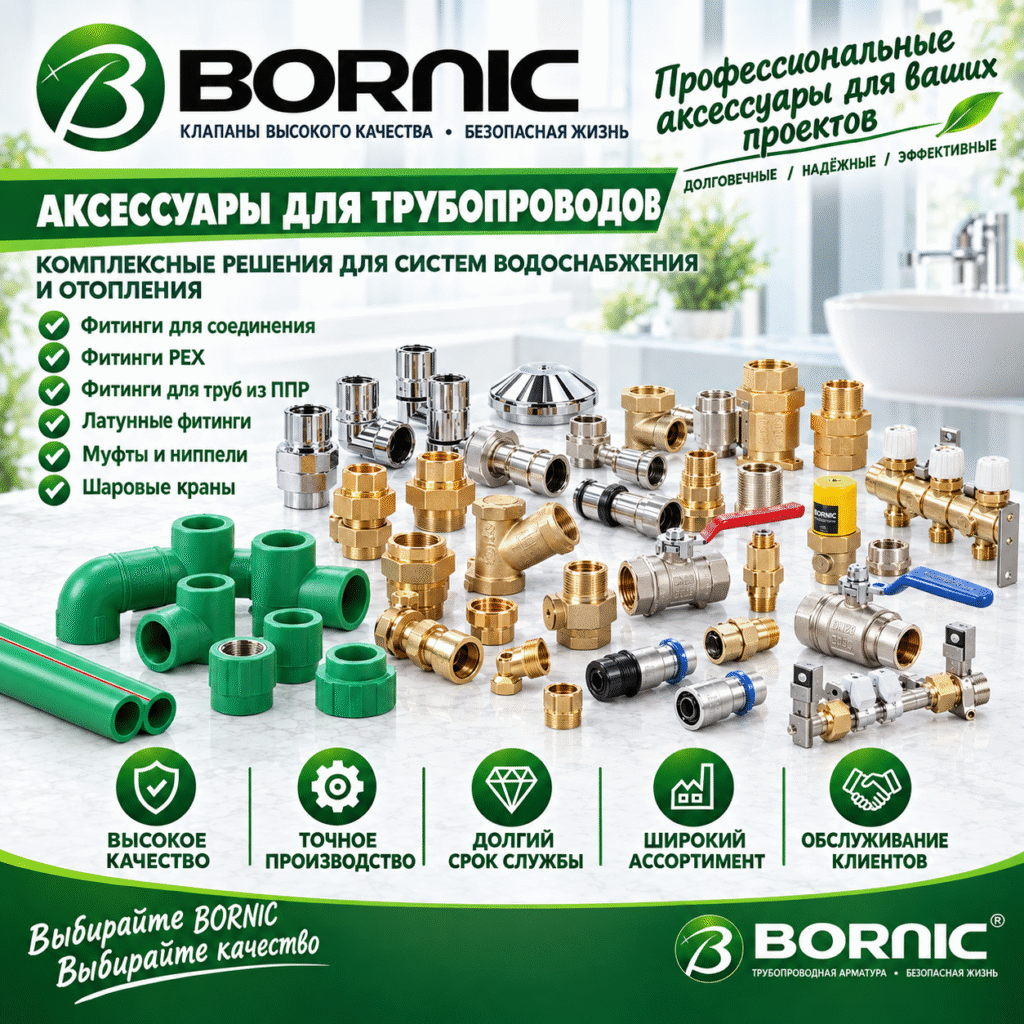
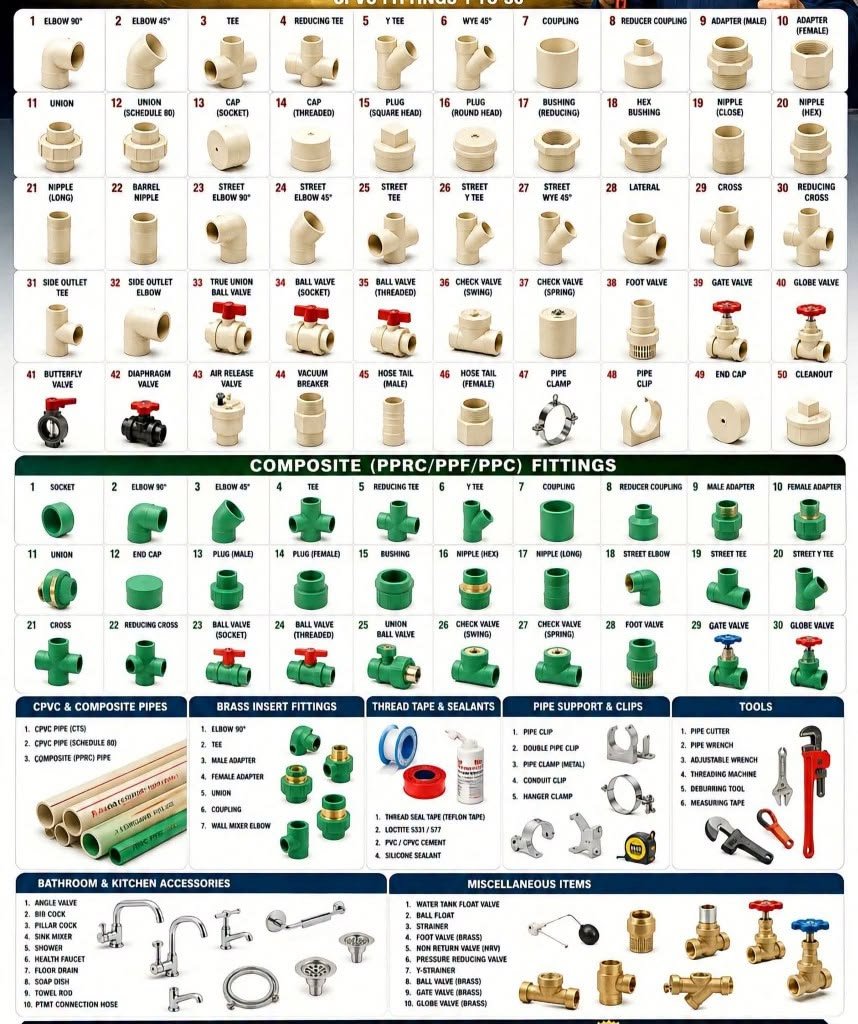
Our product range includes brass ball valves, check valves, gate valves, radiator valves, pipe fittings and other plumbing and heating components.
For product selection or a quotation, please share your required size, pressure rating, connection standard and estimated order quantity.
Contact BORNIC
Email: Global@zjbornic.com
Website: www.zjbornic.com
Technical note: Product ratings, dimensions, standards and test requirements should always be confirmed against the specific product datasheet and applicable standards before selection or installation.
