Introduction
If you work in plumbing, HVAC, irrigation, or water distribution systems, you’ve probably heard of a stop and waste valve. But what exactly is it, and how does it differ from a standard stop valve, angle stop valve, or curb stop valve?
A stop and waste valve is an essential plumbing component designed to shut off water flow while simultaneously allowing the downstream section of the pipe to drain. This unique feature helps protect water systems from freezing, simplifies maintenance, and reduces the risk of water damage.
In this comprehensive guide, we’ll explain what a stop and waste valve is, how it works, where it’s used, and how it compares to other common valves such as angle stop valves, curb stop valves, stop check valves, and toilet stop valves.
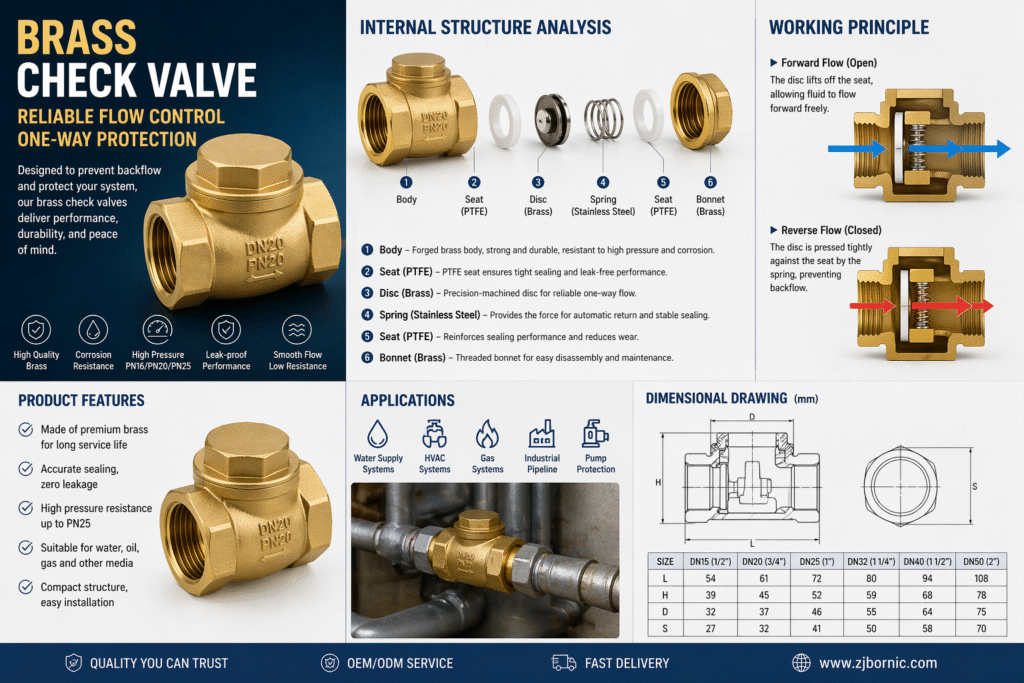
What Is a Stop and Waste Valve?
A stop and waste valve is a shut-off valve equipped with a small drain port or waste outlet.
Its primary functions are:
- Stop the flow of water.
- Drain the downstream pipe section.
When the valve is closed, a waste port opens, allowing trapped water to escape.
This design is especially useful in areas exposed to freezing temperatures.
Popular search terms include:
- stop and waste valve
- stop waste valve
- stop valve
- valve stop
How Does a Stop and Waste Valve Work?
The operating principle is relatively simple.
Valve Open Position
When the valve is fully open:
- Water flows normally through the pipeline.
- The waste port remains sealed.
Valve Closed Position
When the valve is closed:
- Water supply is shut off.
- The waste port opens.
- Water trapped downstream drains out.
This prevents standing water from remaining inside pipes.
Why Is a Stop and Waste Valve Important?
Without proper drainage, water can remain trapped inside pipes.
During cold weather:
- Water freezes.
- Ice expands.
- Pipes burst.
A stop and waste valve helps eliminate this risk.
Benefits include:
Freeze Protection
One of the most important functions.
Easier Maintenance
Technicians can safely work on downstream piping.
Reduced Water Damage
Draining the system minimizes accidental leaks.
Extended Pipe Life
Preventing freeze damage increases system longevity.
Common Applications of Stop and Waste Valves
Irrigation Systems
Often installed before seasonal irrigation lines.
Benefits:
- Easy winterization
- Freeze protection
- Reduced maintenance costs
Outdoor Water Systems
Used for:
- Garden hydrants
- Outdoor faucets
- Agricultural systems
Residential Plumbing
Installed in areas where seasonal shutdown may be necessary.
Examples:
- Vacation homes
- Cabins
- Seasonal buildings
Commercial Buildings
Used in:
- Schools
- Warehouses
- Factories
- Utility rooms
Difference Between a Stop Valve and a Stop and Waste Valve
Many people confuse these two valves.
Standard Stop Valve
Function:
- Starts or stops water flow
Does not:
- Drain the downstream pipe
Stop and Waste Valve
Function:
- Stops water flow
- Drains downstream piping
Ideal for freeze protection applications.
What Is an Angle Stop Valve?
An angle stop valve is another commonly used plumbing shut-off valve.
Popular search terms:
- angle stop valve
- angle stop valves
- angular stop valve
Design
The inlet and outlet are positioned at approximately 90 degrees.
This allows the valve to change flow direction.
Applications
Commonly used for:
- Toilets
- Faucets
- Sinks
- Wash basins
Angle Stop Valve for Toilet Applications
One of the most common plumbing valves is the angle stop valve for toilet installations.
Popular keywords:
- angle stop valve for toilet
- toilet angle stop valve
- toilet stop valve
Purpose
Allows water supply to be isolated without shutting down the entire house.
Benefits
- Easy maintenance
- Fast toilet replacement
- Leak isolation
Most modern bathrooms include a dedicated toilet stop valve.
What Is a Sink Stop Valve?
A sink stop valve controls water flow to a sink faucet.
Popular keyword:
- sink stop valve
Applications:
- Kitchen sinks
- Bathroom sinks
- Utility sinks
Advantages:
- Convenient repairs
- Individual fixture isolation
- Reduced maintenance downtime
What Is a Curb Stop Valve?
A curb stop valve is installed between the municipal water supply and a building.
Popular keywords:
- curb stop valve
- curb stop valve box
Location
Usually buried underground.
Purpose
Allows utility companies to:
- Turn water on
- Turn water off
- Isolate properties
Curb Stop Valve Box
The valve is typically accessed through a curb stop valve box installed at ground level.
This protective enclosure allows maintenance access without excavation.
What Is a Stop Check Valve?
A stop check valve combines two functions:
- Manual shut-off
- Automatic backflow prevention
Popular keyword:
- stop check valve
Applications include:
- Steam systems
- Industrial pipelines
- Power plants
- HVAC installations
Advantages:
- Prevents reverse flow
- Allows manual isolation
What Is a Cycle Stop Valve?
A cycle stop valve is commonly used in well water systems.
Popular keywords:
- cycle stop valve
- cycle stop valves
Function
Maintains constant water pressure while reducing pump cycling.
Benefits:
- Longer pump life
- Improved water pressure
- Reduced energy consumption
Although the name is similar, it serves a completely different purpose than a stop and waste valve.
Stop and Waste Valve vs Angle Stop Valve
| Feature | Stop and Waste Valve | Angle Stop Valve |
|---|---|---|
| Shut-Off Function | Yes | Yes |
| Drain Function | Yes | No |
| Freeze Protection | Yes | No |
| Fixture Control | Limited | Excellent |
| Toilet Applications | Rare | Common |
Stop and Waste Valve vs Curb Stop Valve
| Feature | Stop and Waste Valve | Curb Stop Valve |
| Drain Capability | Yes | Usually No |
| Location | Building Interior | Underground |
| Freeze Protection | Excellent | Limited |
| Utility Access | No | Yes |
Materials Used in Stop and Waste Valves
Brass Stop Valves
Most popular choice.
Advantages:
- Corrosion resistance
- Long service life
- Excellent pressure performance
Bronze Valves
Often used in commercial systems.
Advantages:
- High durability
- Excellent corrosion resistance
Stainless Steel Valves
Used in:
- Industrial applications
- Chemical systems
- High-pressure installations
How to Install a Stop and Waste Valve
Step 1
Identify the section of piping requiring isolation.
Step 2
Install the valve upstream of the protected section.
Step 3
Ensure the waste port is accessible.
Step 4
Verify proper flow direction.
Step 5
Pressure-test the system after installation.
Common Problems and Troubleshooting
Valve Leaks
Causes:
- Damaged seals
- Worn packing
- Improper installation
Waste Port Blockage
Causes:
- Debris accumulation
- Mineral deposits
Regular maintenance helps prevent this issue.
Frozen Valve
Occurs when the valve is installed incorrectly or the system fails to drain completely.
Choosing the Right Stop Valve
Consider:
Pipe Size
Common sizes include:
- 1/2″
- 3/4″
- 1″
- 1-1/4″
Pressure Rating
Verify system requirements.
Material
Brass remains the preferred choice for most plumbing systems.
Application
Determine whether you need:
- Stop and waste valve
- Angle stop valve
- Curb stop valve
- Stop check valve
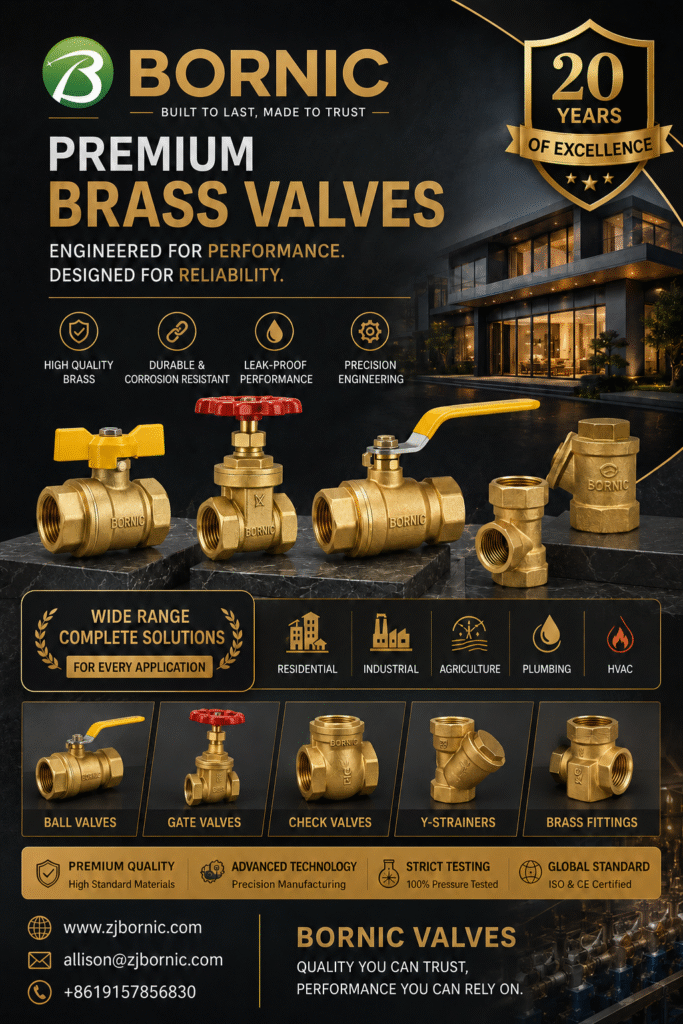
Why Choose BORNIC Brass Stop Valves?
BORNIC manufactures premium brass valves and plumbing components for residential, commercial, and industrial applications.
Our products include:
- Brass stop valves
- Stop and waste valves
- Angle stop valves
- Toilet stop valves
- Curb stop valves
- Stop check valves
- Ball valves
- Plumbing fittings
Advantages of BORNIC products:
- High-quality CW617N brass
- Precision machining
- Excellent sealing performance
- OEM and ODM services
- Competitive factory pricing
- Strict quality control
With years of experience in global plumbing and HVAC markets, BORNIC delivers reliable valve solutions trusted by distributors and contractors worldwide.
Conclusion
A stop and waste valve is more than just a shut-off device. It provides the critical ability to drain downstream piping, helping prevent freeze damage and simplifying maintenance.
Whether you’re working with irrigation systems, outdoor plumbing, commercial buildings, or residential installations, selecting the correct valve type is essential.
Understanding the differences between stop and waste valves, angle stop valves, curb stop valves, and stop check valves allows you to design safer, more reliable water systems.
For high-quality brass stop valves and customized valve solutions, contact BORNIC today.
Website: www.zjbornic.com
Email: allison@zjbornic.com
WhatsApp: +86 19157856830