Introduction
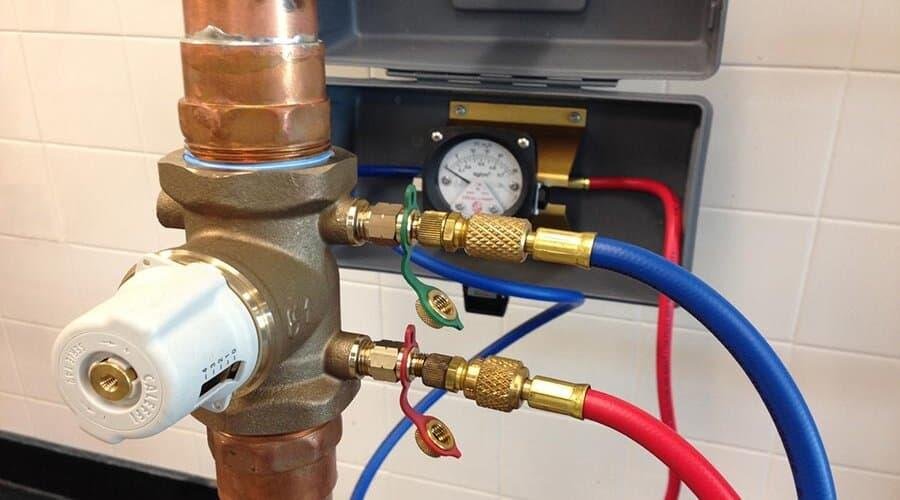
A pressure differential valve plays a critical role in maintaining stable operation in HVAC systems, hydronic heating networks, district energy systems, industrial pipelines, and commercial buildings.
Many engineers and facility managers understand the importance of installing a differential pressure control valve, but fewer realize how severe the consequences can be when the valve fails.
A faulty pressure differential valve can cause energy waste, poor temperature control, excessive noise, equipment damage, and costly system downtime.
In this guide, we’ll explain:
- What a pressure differential valve does
- What would happen if the pressure differential valve was faulty
- Common warning signs
- Causes of failure
- How to troubleshoot and replace the valve
- Why high-quality BORNIC differential pressure valves offer a reliable solution
What Is a Pressure Differential Valve?
A pressure differential valve is designed to maintain a constant pressure difference between two points in a fluid system.
The valve automatically adjusts itself to compensate for pressure fluctuations and changing flow demands.
These valves are commonly referred to as:
- Pressure differential valve
- Differential pressure valve
- Differential pressure control valve
- Differential pressure regulating valve
- Differential pressure bypass valve
- Pressure differential bypass valve
Although the names differ slightly, they all perform a similar pressure-balancing function.
What Is the Purpose of a Pressure Differential Valve?
Before discussing failures, it is important to understand the valve’s purpose.
The primary purpose of a pressure differential valve is to:
- Maintain stable flow
- Balance hydraulic systems
- Prevent excessive pressure
- Improve energy efficiency
- Protect pumps and control valves
- Reduce system noise
Without proper pressure regulation, modern HVAC and plumbing systems would become unstable and inefficient.
What Would Happen If the Pressure Differential Valve Was Faulty?
A faulty differential pressure valve can create serious operational problems.
Let’s examine the most common consequences.
1. Unstable Flow Rates Throughout the System
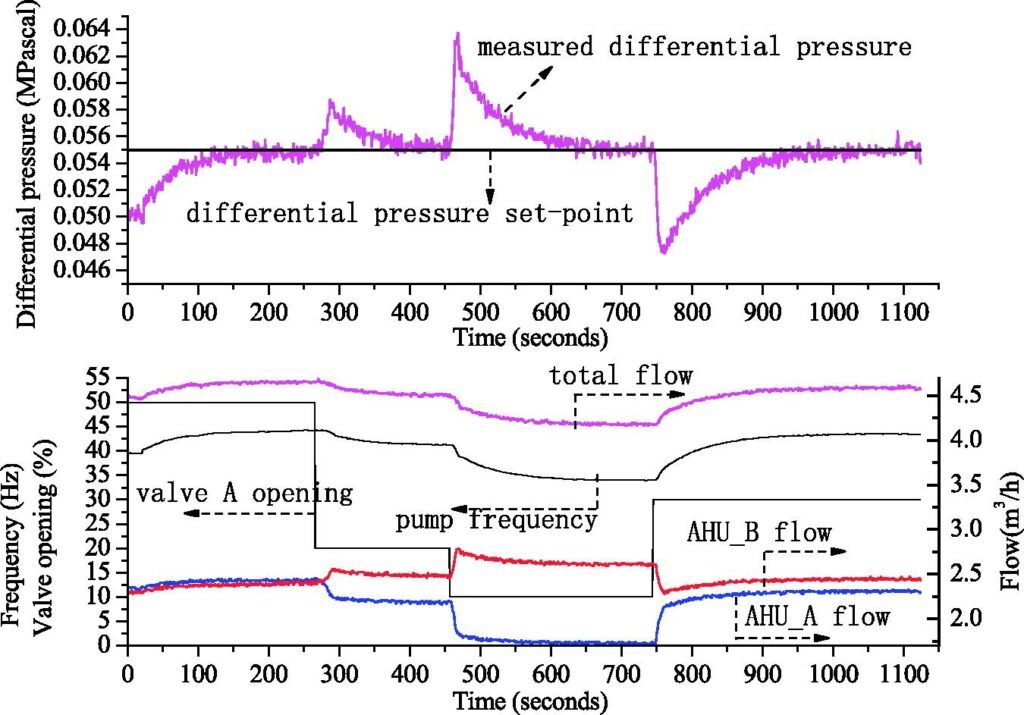
One of the first signs of a malfunctioning differential pressure control valve is unstable flow.
When the valve can no longer regulate pressure effectively:
- Some circuits receive too much water.
- Other circuits receive insufficient flow.
- Balancing is lost.
This often results in uneven heating or cooling throughout a building.
Common symptoms include:
✓ Cold radiators
✓ Overheated zones
✓ Inconsistent room temperatures
✓ Reduced comfort levels
2. Increased Energy Consumption
A faulty differential pressure regulating valve often causes pumps to work harder than necessary.
As system resistance changes:
- Pump speed increases.
- Electricity consumption rises.
- Operating costs increase.
In large commercial HVAC systems, energy losses can become substantial.
Studies show that poor hydraulic balancing can increase energy consumption by 10% to 30%.
3. Excessive Noise in Pipes and Valves
Noise is one of the most obvious warning signs.
When a pressure differential valve fails:
- Water velocity increases.
- Turbulence develops.
- Control valves begin to whistle.
Common noises include:
- Hissing
- Chattering
- Vibration
- Water hammer
These symptoms indicate uncontrolled pressure fluctuations.
4. Damage to Control Valves
Control valves are designed to operate within a specific pressure range.
When differential pressure becomes excessive:
- Valve stems wear out.
- Seats become damaged.
- Seals fail prematurely.
As a result, maintenance costs increase dramatically.
Many HVAC failures initially blamed on control valves are actually caused by faulty differential pressure control valves.
5. Pump Overload and Premature Failure
Pumps depend on stable operating conditions.
Without proper differential pressure regulation:
- Pumps experience overload conditions.
- Bearings wear faster.
- Motors overheat.
- Cavitation may occur.
Eventually, expensive pump replacement becomes necessary.
6. Water Hammer Problems
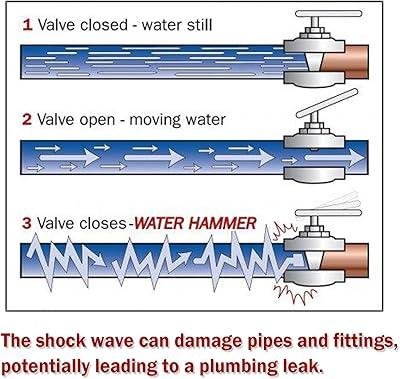
Water hammer is a destructive pressure surge that occurs when fluid flow suddenly changes.
A malfunctioning pressure differential bypass valve can contribute to:
- Sudden pressure spikes
- Pipe stress
- Joint leakage
- Equipment damage
In severe cases, water hammer can rupture piping systems.
7. Poor Temperature Control
HVAC systems rely on stable flow rates to maintain temperature accuracy.
When differential pressure becomes unstable:
- Fan coil units operate inefficiently.
- Radiators lose performance.
- Heating zones become unbalanced.
The result is reduced occupant comfort and increased complaints.
8. Reduced Equipment Lifespan
Pressure fluctuations place constant stress on:
- Pumps
- Heat exchangers
- Control valves
- Radiators
- Pipe connections
Over time, these components wear faster and require replacement sooner than expected.
Common Causes of Pressure Differential Valve Failure
Several factors can cause differential pressure valves to fail.
Dirt and Debris
Contaminants inside the pipeline may block internal components.
This is one of the most common causes.
Corrosion
Poor-quality materials are vulnerable to corrosion.
Internal corrosion can damage:
- Springs
- Diaphragms
- Valve seats
Incorrect Sizing
An undersized or oversized valve may fail to regulate pressure properly.
Proper sizing is essential.
Diaphragm Damage
Many differential pressure control valves rely on diaphragms.
Over time, diaphragms can:
- Crack
- Harden
- Tear
This leads to inaccurate pressure control.
Excessive Operating Pressure
Operating beyond design limits accelerates wear and shortens service life.
How to Identify a Faulty Differential Pressure Valve
Facility managers should monitor for the following warning signs:
Visual Symptoms
- Leakage
- Corrosion
- Damaged adjustment mechanisms
System Symptoms
- Pressure instability
- Temperature fluctuations
- Pump overload alarms
- Flow imbalance
Acoustic Symptoms
- Whistling
- Vibrating pipes
- Water hammer
Early detection can prevent costly repairs.
Differential Pressure Bypass Valve Failure Symptoms
A differential pressure bypass valve serves as a safety mechanism when pressure rises above a preset limit.
When it fails:
Stuck Closed
Excess pressure cannot be relieved.
Potential consequences include:
- Pump overload
- Valve damage
- Water hammer
Stuck Open
Flow bypasses the intended circuit.
This causes:
- Energy waste
- Reduced system efficiency
- Poor temperature control
Pressure Differential Valve Brakes: Automotive Applications
The term pressure differential valve brakes or brake pressure differential valve is commonly used in automotive braking systems.
In brake systems, the valve monitors hydraulic pressure between braking circuits.
If one circuit fails:
- Pressure imbalance occurs.
- The valve triggers a warning signal.
Although operating principles are similar, brake pressure differential valves are different from HVAC and plumbing pressure differential valves.
Preventive Maintenance Tips
To avoid failures:
Inspect Annually
Check:
- Valve body condition
- Connections
- Adjustment settings
Clean System Water
Install strainers and filters to reduce contamination.
Monitor Differential Pressure
Use gauges or monitoring systems to identify abnormal pressure changes.
Replace Worn Components
Diaphragms and seals should be replaced when necessary.
Why Choose BORNIC Differential Pressure Control Valves?
At BORNIC, we understand the importance of reliable pressure control.
Our differential pressure control valves are designed to deliver:
Precision Regulation
Accurate pressure balancing improves system efficiency.
Premium Brass Construction
Manufactured using high-quality brass materials such as CW617N and DZR brass.
Long Service Life
Engineered for demanding HVAC and industrial applications.
Stable Performance
Excellent pressure control under varying flow conditions.
Global Project Experience
Trusted by contractors, distributors, and OEM customers across:
- Europe
- South America
- Middle East
- Russia & CIS
- Central Asia
Conclusion
So, what would happen if the pressure differential valve was faulty?
The consequences can include:
- Unstable flow rates
- Increased energy consumption
- Water hammer
- Equipment damage
- Poor temperature control
- Pump failures
- Higher maintenance costs
A properly functioning differential pressure valve is essential for system efficiency, safety, and reliability.
Choosing a high-quality differential pressure control valve from BORNIC helps ensure long-term performance while reducing operational costs.
If you are looking for dependable differential pressure regulating valves, differential pressure bypass valves, or complete HVAC balancing solutions, BORNIC is ready to support your next project.
Visit: www.zjbornic.com
Email: allison@zjbornic.com