Introduction
In modern HVAC, plumbing, district heating, and industrial fluid systems, maintaining stable pressure is essential for efficient operation. One of the most important components used to achieve this goal is the pressure differential valve.
Whether you are designing a commercial heating network, balancing a hydronic system, or improving energy efficiency in a building, understanding the purpose of a pressure differential valve can help you optimize system performance and reduce operating costs.
In this comprehensive guide, we will explain:
- What is a pressure differential valve?
- What is the purpose of a pressure differential valve?
- How does a differential pressure control valve work?
- Types of differential pressure valves
- Common applications
- What happens if a pressure differential valve is faulty?
- How to select the right valve for your system
We will also introduce high-quality differential pressure control solutions from BORNIC, a trusted manufacturer of brass valves and HVAC components.
What Is a Pressure Differential Valve?
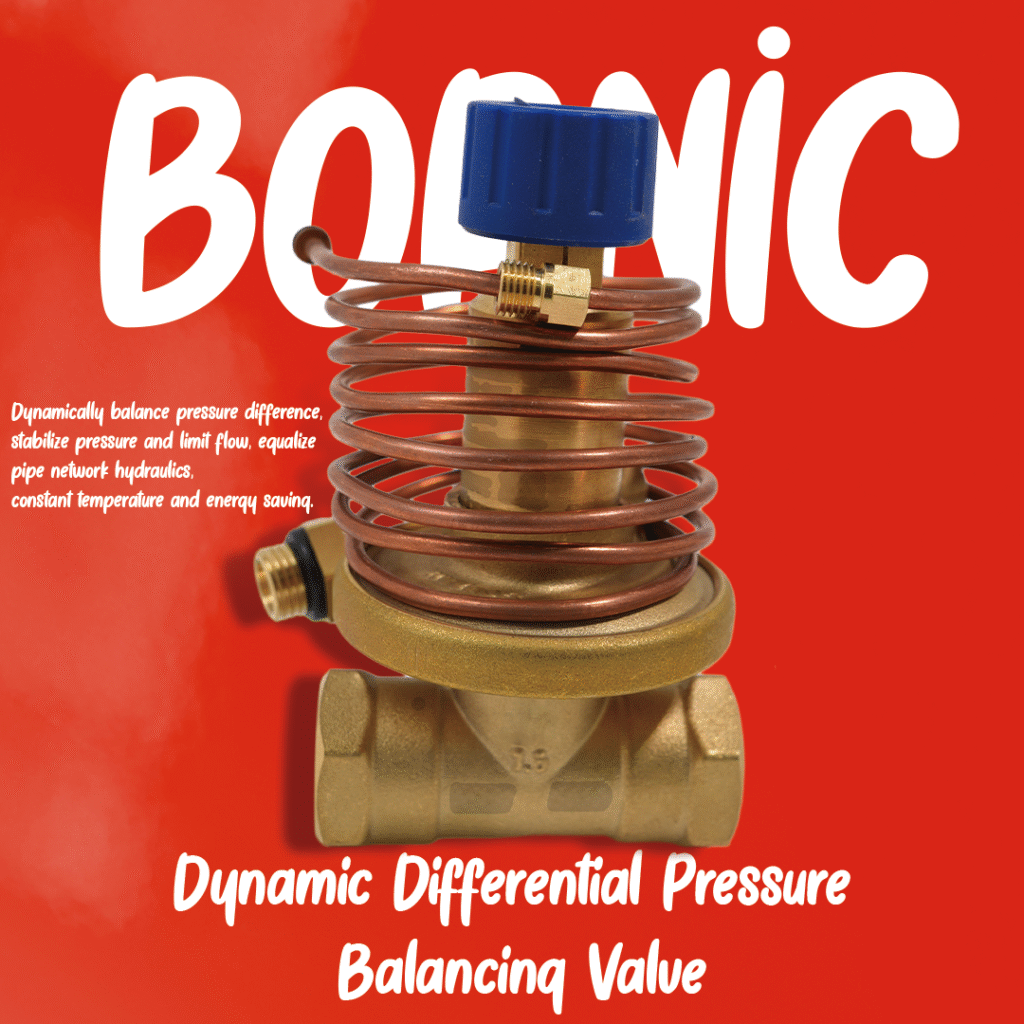
A pressure differential valve is a mechanical or automatic device designed to maintain a constant pressure difference between two points in a fluid system.
The valve continuously monitors pressure changes and automatically adjusts its opening position to stabilize differential pressure.
Differential pressure is simply the difference between:
- Upstream pressure
- Downstream pressure
Maintaining this pressure difference ensures proper flow rates throughout the system.
These valves are commonly known as:
- Differential pressure valve
- Differential pressure control valve
- Differential pressure regulating valve
- Differential pressure bypass valve
- Pressure differential bypass valve
Although the names vary, the primary function remains the same: maintaining stable operating conditions.
What Is the Purpose of a Pressure Differential Valve?
The primary purpose of a pressure differential valve is to maintain a constant pressure differential within a system regardless of changing flow demands.
Without pressure control, systems can experience:
- Excessive noise
- Flow instability
- Energy waste
- Equipment damage
- Poor temperature control
A pressure differential valve helps solve these issues by automatically compensating for pressure fluctuations.
1. Maintain Stable Flow Rates
Flow rates in piping systems depend on pressure differences.
When pressure varies unexpectedly, flow becomes unstable.
A differential pressure control valve maintains the desired pressure difference, ensuring that pumps, radiators, coils, and other equipment receive the correct amount of flow.
2. Improve Energy Efficiency
Modern HVAC systems often use variable-speed pumps.
As demand changes, pump pressure can increase significantly.
A pressure differential valve prevents excessive pressure buildup and reduces unnecessary energy consumption.
This leads to:
- Lower electricity bills
- Reduced pump workload
- Longer equipment lifespan
3. Prevent System Noise
One common problem in heating and cooling systems is noise generated by excessive pressure.
When pressure becomes too high:
- Control valves whistle
- Pipes vibrate
- Water hammer occurs
Differential pressure regulating valves maintain stable operating pressure and eliminate these issues.
4. Protect Sensitive Equipment
Equipment such as:
- Fan coil units
- Heat exchangers
- Control valves
- Radiators
can be damaged by excessive differential pressure.
A properly selected differential pressure valve protects these components and improves system reliability.
How Does a Differential Pressure Control Valve Work?
A differential pressure control valve operates using a diaphragm, spring mechanism, or pilot-controlled system.
Step 1: Pressure Detection
The valve senses pressure at two locations:
- High-pressure side
- Low-pressure side
Step 2: Pressure Comparison
The valve continuously measures the pressure differential.
Step 3: Automatic Adjustment
When differential pressure rises above the setpoint:
- The valve closes slightly.
When differential pressure falls below the setpoint:
- The valve opens.
This automatic regulation maintains a constant differential pressure across the system.
The result is smooth and efficient operation.
Types of Differential Pressure Valves
Differential Pressure Control Valve
The most common type used in HVAC and hydronic systems.
Functions:
- Stabilizes pressure
- Maintains balanced flow
- Improves energy efficiency
Differential Pressure Regulating Valve
A differential pressure regulating valve continuously adjusts itself to maintain a predefined pressure difference.
Common applications:
- Heating systems
- Cooling systems
- District energy networks
Differential Pressure Bypass Valve
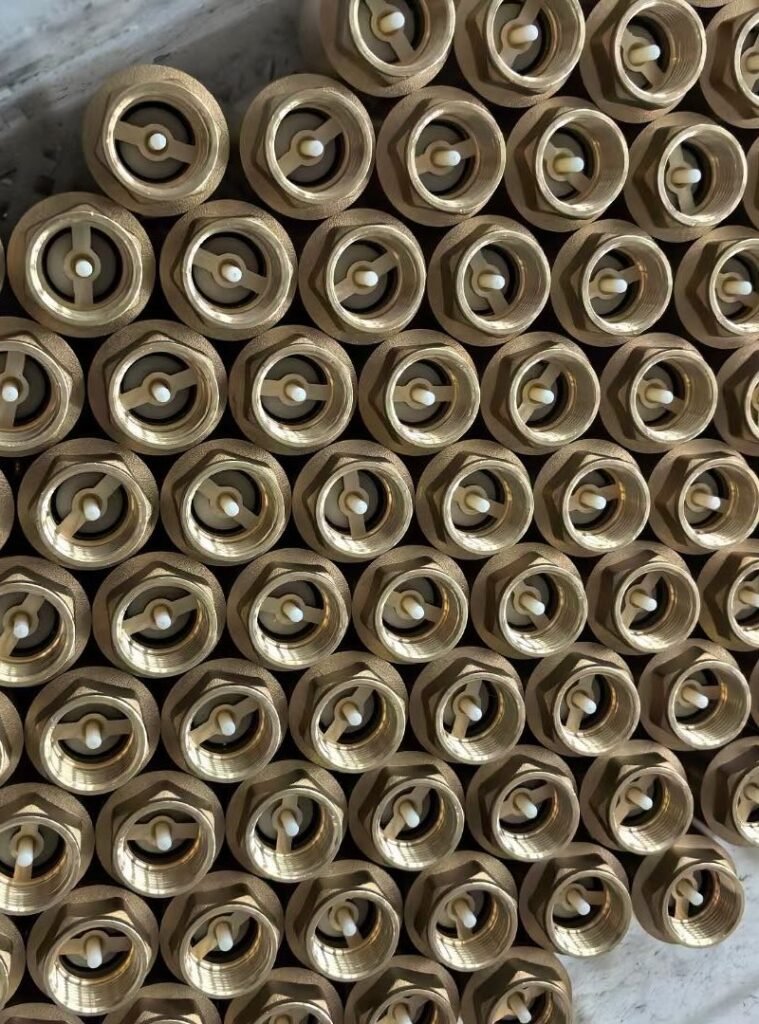
A differential pressure bypass valve opens when pressure exceeds a predetermined level.
Instead of restricting flow, it creates a bypass path.
Benefits include:
- Pump protection
- Reduced system stress
- Improved circulation
Pressure Differential Bypass Valve
A pressure differential bypass valve performs a similar function and is often used in:
- Residential heating systems
- Underfloor heating
- Boiler circuits
Applications of Differential Pressure Valves
HVAC Systems
HVAC systems frequently experience varying flow demands.
Differential pressure control valves maintain system balance and improve comfort.
Applications include:
- Chillers
- Boilers
- Fan coil units
- Air handling units
District Heating Networks
Large district heating systems require stable pressure distribution.
Differential pressure valves help maintain uniform performance throughout the network.
Commercial Buildings
Office buildings often have multiple heating and cooling zones.
Pressure control valves ensure every zone receives proper flow.
Industrial Processes
Industrial plants use differential pressure valves for:
- Process cooling
- Water treatment
- Chemical systems
- Manufacturing operations
What Would Happen If the Pressure Differential Valve Was Faulty?
A common question is:
What would happen if the pressure differential valve was faulty?
A faulty valve can create several problems.
Unstable Flow
Flow rates may become inconsistent.
Some areas receive excessive flow while others receive insufficient flow.
Increased Energy Consumption
Pumps may work harder than necessary.
This increases electricity usage and operating costs.
Excessive Noise
High differential pressure often causes:
- Valve chatter
- Water hammer
- Pipe vibration
Poor Temperature Control
Heating and cooling performance can deteriorate.
Occupants may experience uncomfortable temperature fluctuations.
Equipment Damage
Over time, excessive pressure can damage:
- Control valves
- Pumps
- Heat exchangers
- Seals and gaskets
Regular inspection and maintenance help prevent these issues.
Pressure Differential Valve Brakes: Understanding Automotive Applications
The term pressure differential valve brakes or brake pressure differential valve is commonly associated with automotive braking systems.
In braking applications, the valve monitors pressure differences between brake circuits.
Its purpose is to:
- Detect hydraulic failures
- Trigger warning lights
- Improve safety
Although the operating principle is similar, automotive pressure differential valves differ significantly from HVAC and plumbing applications.
Benefits of Installing a Differential Pressure Control Valve
A properly selected valve offers numerous advantages:
Better System Balance
Ensures consistent flow throughout the network.
Reduced Operating Costs
Optimizes pump efficiency and minimizes wasted energy.
Improved Comfort
Maintains stable temperatures in heating and cooling systems.
Longer Equipment Life
Protects pumps and valves from excessive pressure.
Easier Commissioning
Simplifies system balancing and startup procedures.
How to Choose the Right Differential Pressure Valve
When selecting a differential pressure valve, consider:
System Pressure
Ensure the valve pressure rating matches system requirements.
Flow Capacity
Choose a valve with appropriate Kv or Cv values.
Temperature Range
Verify compatibility with operating temperatures.
Material Selection
Popular materials include:
- Brass
- DZR brass
- Stainless steel
For potable water and HVAC systems, brass remains the preferred choice.
Connection Type
Options include:
- Threaded
- Press-fit
- Flanged
Why Choose BORNIC Differential Pressure Valves?
BORNIC is a professional manufacturer of brass valves, fittings, and HVAC components with extensive experience serving customers worldwide.
Our differential pressure control solutions are engineered for:
- HVAC systems
- Hydronic balancing
- District heating
- Commercial buildings
- Industrial applications
Advantages of BORNIC Products
✓ High-quality CW617N and DZR brass construction
✓ Excellent pressure stability
✓ Long service life
✓ Precise flow regulation
✓ Competitive factory-direct pricing
✓ OEM and ODM support
✓ International export experience
BORNIC products are trusted by distributors, contractors, and project developers across Europe, South America, the Middle East, and Central Asia.
Conclusion
So, what is the purpose of a pressure differential valve?
The answer is simple: it maintains a stable pressure difference within a system, ensuring efficient flow control, energy savings, equipment protection, and reliable operation.
Whether you call it a:
- Pressure differential valve
- Differential pressure control valve
- Differential pressure regulating valve
- Differential pressure bypass valve
its role remains critical in modern HVAC, plumbing, and industrial systems.
By selecting a high-quality solution from BORNIC, you can improve system efficiency, reduce maintenance costs, and achieve long-term performance.
For more information about BORNIC differential pressure valves and HVAC solutions, visit www.zjbornic.com or contact our technical team today.