Introduction
In modern HVAC systems, plumbing networks, district heating installations, and commercial buildings, achieving proper water flow distribution is essential for efficiency and comfort. One of the most important components used to achieve this goal is the balancing valve.
A balancing valve helps regulate flow rates throughout a system, ensuring that every branch, radiator, fan coil unit, or terminal device receives the correct amount of water. Without proper balancing, some areas may receive excessive flow while others experience insufficient circulation.
In this comprehensive guide, we will explain:
- What is a balancing valve?
- How does a balancing valve work?
- Why are balancing valves important?
- What is a pressure balance valve?
- Pressure balance valve shower applications
- Types of balancing valves
- Benefits of hydraulic balancing
- How to choose the right balancing valve
- Why BORNIC balancing valves are trusted worldwide
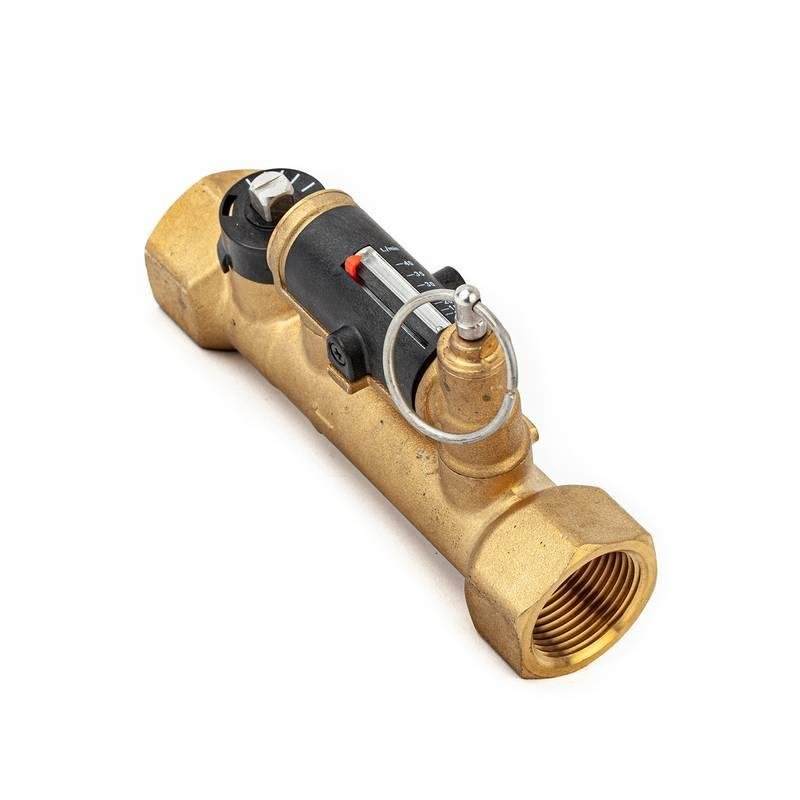
What Is a Balancing Valve?
A balancing valve is a device used to regulate and control water flow within a hydronic system.
The primary purpose of a balancing valve is to ensure that every section of the system receives the correct flow rate according to design requirements.
Without balancing, water naturally follows the path of least resistance.
This means:
- Nearby circuits receive excessive flow.
- Distant circuits receive insufficient flow.
- System performance becomes uneven.
Balancing valves solve this problem by introducing adjustable resistance where necessary.
The result is a properly balanced system that delivers maximum efficiency.
Why Are Balancing Valves Important?
Balancing valves are essential because they maintain proper hydraulic balance.
Without hydraulic balancing:
Uneven Heating
Some radiators become extremely hot while others remain cold.
Uneven Cooling
Certain zones receive excessive cooling while others struggle to maintain temperature.
Energy Waste
Pumps consume more energy than necessary.
Occupant Complaints
Comfort issues often arise in commercial buildings and residential complexes.
Equipment Stress
Pumps and control valves experience increased wear.
For these reasons, balancing valves are considered critical components in modern HVAC design.
How Does a Balancing Valve Work?
A balancing valve controls flow by creating a calculated pressure drop.
When technicians commission a system, they:
- Measure flow rates.
- Adjust the balancing valve.
- Achieve design flow values.
Once properly adjusted, the valve maintains the required flow distribution.
Many balancing valves include:
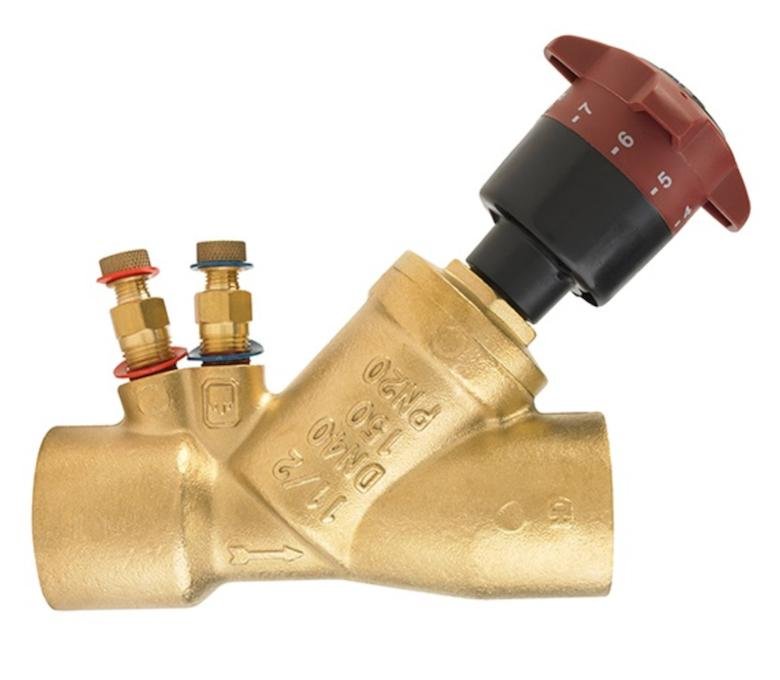
- Measuring ports
- Flow indicators
- Adjustment scales
- Locking mechanisms
These features simplify system commissioning and maintenance.
Types of Balancing Valves
Manual Balancing Valve
Manual balancing valves are adjusted during system commissioning.
Advantages include:
- Simple design
- Cost effectiveness
- Long service life
- Reliable operation
They are commonly used in:
- Commercial buildings
- Residential heating systems
- Chilled water networks
Automatic Balancing Valve
Automatic balancing valves automatically maintain flow rates.
Benefits include:
- Continuous regulation
- Reduced maintenance
- Improved system efficiency
They are ideal for variable flow systems.
Differential Pressure Balancing Valve
This type combines balancing functionality with pressure regulation.
It works together with:
- Differential pressure control valves
- Pressure reducing valves
- Variable speed pumps
These systems improve overall hydraulic stability.
What Is a Pressure Balance Valve?
A pressure balance valve is designed to maintain consistent outlet pressure despite fluctuations in supply pressure.
While balancing valves regulate flow throughout a system, pressure balance valves regulate pressure to protect users and equipment.
Pressure balance valves are commonly found in:
- Showers
- Plumbing systems
- Water distribution systems
- Commercial buildings
What Is a Pressure Balancing Valve?
A pressure balancing valve continuously adjusts itself when pressure changes occur.
For example:
If someone flushes a toilet while another person is taking a shower, water pressure may suddenly drop.
A pressure balancing valve compensates for this change and maintains a stable water temperature.
This prevents sudden temperature spikes and improves user comfort.
Pressure Balance Valve Shower Applications
One of the most common applications is the pressure balance valve shower.
Modern bathrooms increasingly use pressure balancing technology to enhance safety and comfort.
Benefits include:
- Preventing scalding
- Stable water temperature
- Improved user experience
- Compliance with plumbing codes
Pressure Balance Shower Valve Benefits
A pressure balance shower valve automatically responds to pressure fluctuations.
When cold water pressure decreases:
- The valve reduces hot water flow proportionally.
When hot water pressure changes:
- The valve adjusts accordingly.
This keeps outlet temperature relatively stable.
Pressure Balanced Shower Valve vs Thermostatic Valve
Many people compare a pressure balanced shower valve with a thermostatic mixing valve.
Pressure Balanced Valve
Controls pressure differences.
Advantages:
- Lower cost
- Simple installation
- Reliable performance
Thermostatic Valve
Controls temperature directly.
Advantages:
- Higher precision
- Superior comfort
- Enhanced safety
Many premium installations use thermostatic technology, while pressure balancing valves remain widely used in residential applications.
Shower Faucet Pressure Balancing Valve
A shower faucet pressure balancing valve is integrated into many modern shower systems.
Its primary functions include:
- Preventing thermal shock
- Balancing hot and cold water pressure
- Improving shower consistency
These valves are required by plumbing regulations in many regions.
Pressure Balance Valves in Commercial Buildings
Pressure balance valves are not limited to bathrooms.
They are also used in:
Hotels
Consistent guest experience requires stable water pressure.
Hospitals
Safety is critical in patient care areas.
Schools
Pressure balancing protects users from temperature fluctuations.
Apartment Buildings
Large plumbing systems often experience pressure variations.
Pressure balance valves help stabilize the entire network.
Circuit Setter Balance Valve
A circuit setter balance valve is a specialized balancing valve designed for precise hydronic system balancing.
Its functions include:
- Measuring flow
- Regulating flow
- Isolating circuits
These valves are commonly used in:
- Chilled water systems
- Heating systems
- District energy networks
Circuit Setter Balancing Valve Applications
The circuit setter balancing valve remains one of the most popular solutions for large commercial projects.
Benefits include:
- Accurate commissioning
- Long-term flow stability
- Reduced operating costs
Many consulting engineers specify circuit setter valves in modern HVAC projects.
Circuit Solver Balancing Valve
A circuit solver balancing valve is designed to solve flow imbalance problems within complex piping systems.
Applications include:
- High-rise buildings
- Hospitals
- Data centers
- Industrial facilities
These valves improve energy efficiency and system reliability.
Benefits of Installing Balancing Valves
Installing quality balancing valves provides several advantages.
Improved Comfort
Balanced systems deliver uniform temperatures.
Lower Energy Consumption
Pumps operate more efficiently.
Reduced Maintenance Costs
Equipment experiences less stress.
Longer Equipment Life
Stable operation reduces wear and tear.
Easier Commissioning
Technicians can quickly achieve design flow rates.
Why Are Balancing Valves Required?
Many engineers ask:
“Balancing valves are required because?”
The answer is simple.
Without balancing:
- Energy efficiency decreases.
- Comfort levels suffer.
- Equipment lifespan shortens.
- Operating costs increase.
Modern HVAC standards increasingly require proper hydraulic balancing to achieve energy-saving goals.
How to Choose the Right Balancing Valve
When selecting a balancing valve, consider:
Flow Rate
Determine design flow requirements.
Pressure Rating
Verify compatibility with system pressure.
Temperature Range
Ensure suitability for operating conditions.
Connection Type
Options include:
- Threaded
- Flanged
- Press connections
Material
High-quality brass remains the preferred choice for HVAC and plumbing applications.
Why Choose BORNIC Balancing Valves?
BORNIC is a professional manufacturer of brass valves and HVAC solutions serving customers worldwide.
Our balancing valves are designed for:
- HVAC systems
- District heating
- Commercial buildings
- Residential projects
- Industrial applications
Advantages of BORNIC Balancing Valves
✓ Premium CW617N brass construction
✓ Excellent flow control accuracy
✓ Long service life
✓ Corrosion resistance
✓ Easy commissioning
✓ OEM & ODM support
✓ Competitive factory-direct pricing
✓ Global export experience
Our products are trusted by contractors, distributors, wholesalers, and project developers across Europe, South America, the Middle East, Russia, and Central Asia.
Conclusion
A balancing valve is one of the most important components in any HVAC or hydronic system.
Whether you are working with a simple heating network or a large commercial installation, proper hydraulic balancing ensures:
- Stable flow
- Energy efficiency
- Equipment protection
- Enhanced comfort
From traditional balancing valves to advanced pressure balance valves and pressure balancing shower valves, these devices play a critical role in modern fluid control systems.
For reliable, high-performance balancing valves, choose BORNIC—your trusted partner in brass valve manufacturing and HVAC solutions.
Visit: www.zjbornic.com
Email: allison@zjbornic.com
WhatsApp: +86 19157856830