
HVAC stands for Heating, Ventilation, and Air Conditioning. It refers to the technology and systems used to control indoor temperature, air quality, humidity, and overall comfort in residential, commercial, and industrial buildings.
HVAC systems are essential in modern life. Whether in homes, offices, hospitals, factories, hotels, or shopping centers, HVAC equipment helps maintain a comfortable and healthy indoor environment throughout the year.
What Does HVAC Include?
The HVAC industry mainly consists of three core functions:
Heating
Heating systems are designed to keep indoor spaces warm during cold seasons. Common heating equipment includes boilers, heat pumps, furnaces, radiators, and underfloor heating systems.
Heating systems are widely used in Europe, North America, and many cold-climate regions where indoor temperature control is necessary for comfort and safety.
Ventilation
Ventilation is responsible for circulating fresh air inside buildings. It removes dust, smoke, odors, moisture, and harmful airborne particles while supplying clean outdoor air.
Good ventilation improves indoor air quality and helps reduce bacteria, mold, and allergens. Modern HVAC ventilation systems are especially important in hospitals, schools, offices, and industrial facilities.
Air Conditioning
Air conditioning systems cool indoor spaces during hot weather. They control both temperature and humidity to create a more comfortable environment.
Air conditioners, chillers, fan coil units, and cooling systems are commonly used in HVAC applications around the world.
Why Is HVAC Important?
HVAC systems play a major role in modern buildings because they provide:
- Comfortable indoor temperatures
- Better air quality
- Energy efficiency
- Humidity control
- Improved health and productivity
- Protection for equipment and machinery
Without HVAC systems, many commercial and industrial operations would not function efficiently.
HVAC Components and Accessories
An HVAC system contains many important components, including:
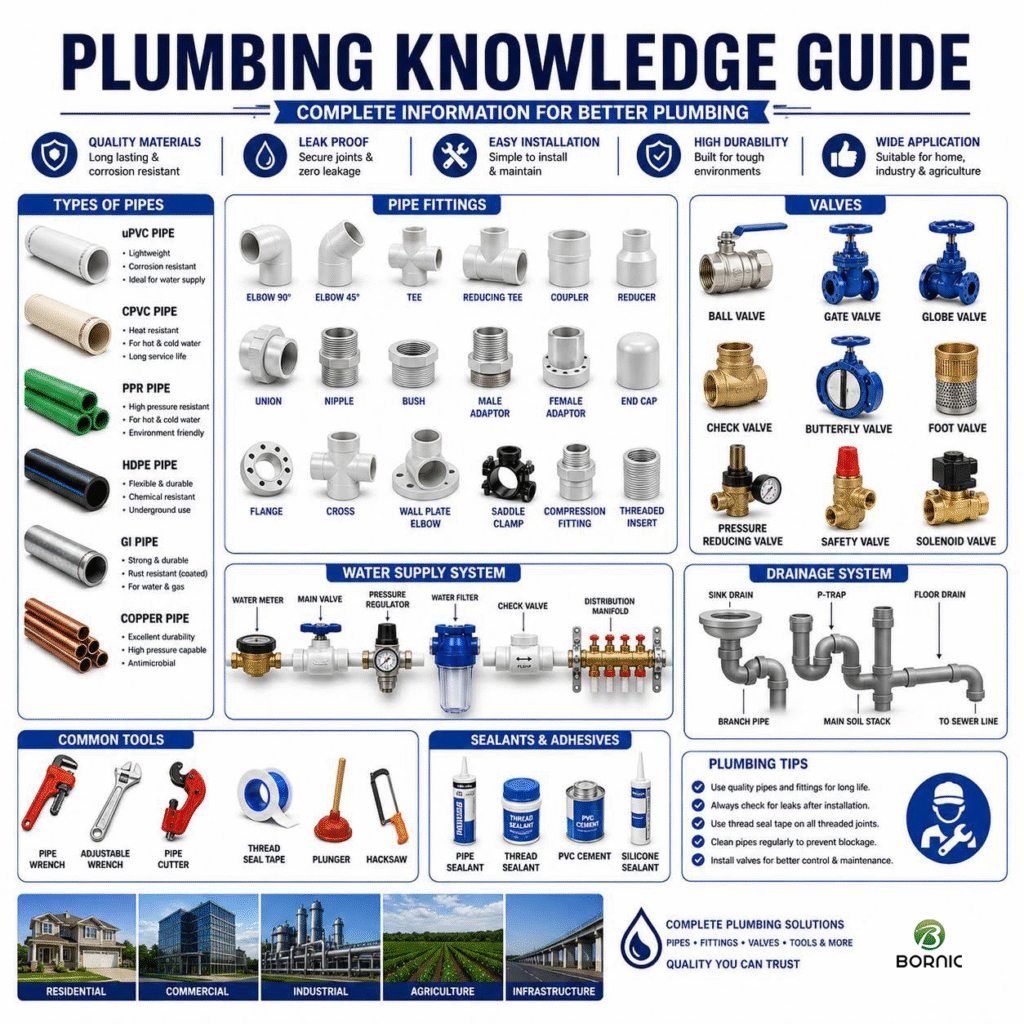
- HVAC valves
- Brass fittings
- Thermostatic valves
- Balancing valves
- Pipes and connectors
- Pumps
- Heat exchangers
- Temperature control systems
High-quality HVAC components help improve system efficiency, reduce maintenance costs, and extend service life.
Brass valves and fittings are especially popular in HVAC systems because of their durability, corrosion resistance, and reliable sealing performance.
HVAC Industry Trends
The global HVAC industry is growing rapidly due to urbanization, energy-saving requirements, and smart building technologies.
Modern HVAC systems now focus on:
- Energy efficiency
- Environmental protection
- Smart temperature control
- Sustainable heating and cooling solutions
Many buildings today use intelligent HVAC systems connected to automation and IoT technologies for better performance and lower operating costs.
Conclusion
HVAC stands for Heating, Ventilation, and Air Conditioning, and it is one of the most important systems in modern construction and infrastructure.
From residential homes to large industrial facilities, HVAC systems provide comfort, safety, and efficient climate control. As demand for energy-efficient buildings continues to grow, the HVAC industry will remain a key part of global development.
If you are looking for reliable HVAC valves, brass fittings, or heating system components, choosing high-quality products is essential for long-term performance and system stability.
