Introduction
Water management is one of the most important aspects of modern construction and infrastructure. Whether it is a residential property, commercial building, industrial facility, or landscaping project, an efficient drainage pipe system plays a critical role in protecting structures from water damage.
Today, PVC drainage pipe systems have become the preferred choice for engineers, contractors, and homeowners worldwide. Their durability, corrosion resistance, lightweight construction, and cost-effectiveness make them ideal for both above-ground and underground water drainage systems.
This comprehensive guide explores everything you need to know about drainage pipes, drainage systems, underground drainage solutions, drainage pipework, and how to choose the right system for long-term performance.
What Is a Drainage Pipe?
A drainage pipe is a specially designed pipe used to collect and transport excess water away from buildings, roads, gardens, and infrastructure.
The primary purpose of drainage piping is to prevent:
- Flooding
- Water accumulation
- Soil erosion
- Foundation damage
- Structural deterioration
Drainage pipes can transport:
- Rainwater
- Surface water
- Groundwater
- Wastewater
- Stormwater runoff
Modern drainage systems rely heavily on PVC due to its superior performance characteristics.
Why PVC Is the Preferred Material for Drainage Systems
PVC has revolutionized the drainage industry.
Compared with concrete, clay, cast iron, and metal alternatives, PVC drainage pipes offer numerous advantages.
Corrosion Resistance
PVC does not rust or corrode when exposed to water, chemicals, or moisture-rich soil conditions.
Lightweight Installation
PVC drainage pipes are significantly lighter than traditional materials, reducing transportation and labor costs.
Smooth Interior Surface
The smooth interior of PVC drainage piping improves water flow and minimizes the risk of blockage.
Long Service Life
A properly installed PVC drainage pipe system can provide decades of reliable service with minimal maintenance.
Understanding Modern Drainage Systems
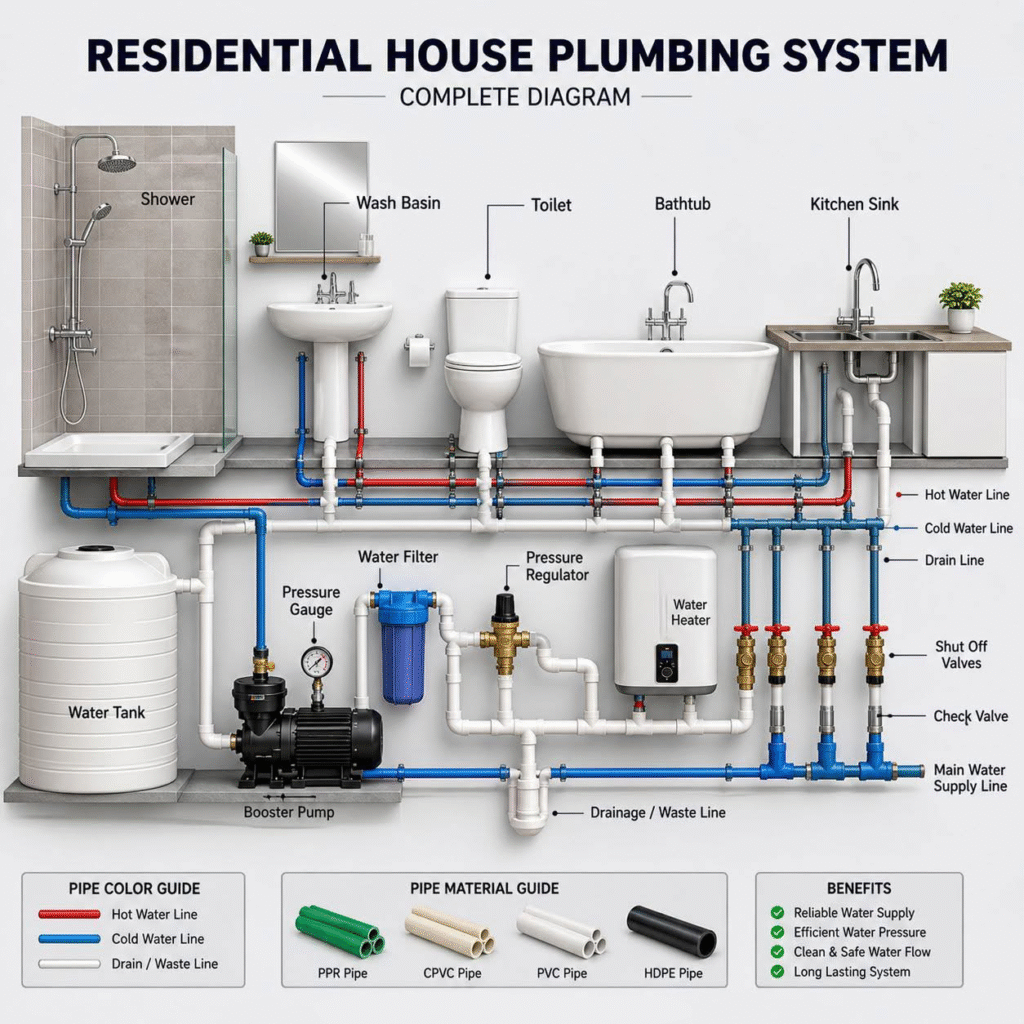
A drainage system is a network of pipes, fittings, channels, and outlets designed to remove unwanted water from a specific area.
Common drainage systems include:
- Residential drainage systems
- Commercial drainage systems
- Industrial drainage systems
- Stormwater drainage systems
- Agricultural drainage systems
Each application requires different drainage pipe sizes, layouts, and installation methods.
Water Drainage Pipe Applications
A water drainage pipe is designed specifically to move excess water away from structures and landscapes.
Common applications include:
Residential Buildings
- Roof runoff
- Foundation drainage
- Yard drainage
- Driveway drainage
Commercial Projects
- Parking lots
- Shopping centers
- Office complexes
Industrial Facilities
- Process water management
- Site drainage
- Utility infrastructure
Rain Drain Pipe Systems
Rainwater management is becoming increasingly important due to changing weather patterns and urban development.
A rain drain pipe system collects water from:
- Roof gutters
- Downspouts
- Surface drains
- Collection basins
The water is then directed toward:
- Municipal stormwater systems
- Retention ponds
- Soakaway systems
- Underground drainage networks
A properly designed rain drainage pipe system helps prevent localized flooding and protects building foundations.
Underground Drain System Design
One of the most common applications for PVC is the underground drain system.
These systems are installed beneath the surface to collect and transport water safely away from structures.
Key components include:
- Underground drainage pipes
- Inspection chambers
- Catch basins
- Junction fittings
- Drainage outlets
Underground systems are essential for maintaining stable soil conditions and protecting foundations from water infiltration.
Underground Water Drainage System Benefits
An underground water drainage system offers several important advantages:
Improved Aesthetics
Pipes remain hidden beneath the ground.
Enhanced Safety
Eliminates standing water that can create slip hazards.
Foundation Protection
Reduces hydrostatic pressure around buildings.
Increased Property Value
Proper drainage improves long-term property performance.
Ground Drainage System for Residential Properties
A ground drainage system is critical for homeowners living in regions with heavy rainfall.
Common residential solutions include:
French Drains
Perforated drainage pipes surrounded by gravel.
Surface Drain Channels
Designed to collect water from driveways and patios.
Yard Drainage Pipes
A drain pipe for yard applications can redirect water away from lawns and landscaped areas.
These systems prevent soil erosion and waterlogging.
Drainage Pipes Underground: Why Proper Installation Matters
Installing drainage pipes underground requires careful planning.
Important considerations include:
Pipe Slope
Proper gradient ensures efficient water flow.
Soil Conditions
Different soil types affect drainage performance.
Pipe Diameter
Larger systems require larger pipe sizes.
Access for Maintenance
Inspection points should be included for future cleaning.
Poor installation can lead to:
- Blockages
- Pipe collapse
- Water pooling
- Foundation issues
Drainage Pipework Explained
Drainage pipework refers to the complete network of pipes and fittings used within a drainage system.
A typical drainage pipework design includes:
- Main collection lines
- Branch drainage lines
- Junction fittings
- Inspection chambers
- Outfall points
Effective drainage pipework ensures that water is transported efficiently without causing pressure build-up or flow restrictions.
Drainage Piping for Commercial and Industrial Projects
Commercial and industrial drainage systems often require more sophisticated drainage piping designs.
Applications include:
- Manufacturing facilities
- Warehouses
- Logistics centers
- Airports
- Hospitals
- Educational institutions
These projects frequently use larger diameter PVC drainage pipes to accommodate higher water volumes.
Landscaping Pipe Solutions
Landscaping projects often require specialized landscaping pipe systems.
Common uses include:
- Garden drainage
- Retaining wall drainage
- Sports field drainage
- Golf course drainage
A properly designed landscaping drainage system helps maintain healthy vegetation while preventing soil erosion.
Common Problems in Drainage Systems
Even the best drainage systems can experience issues if not designed or installed correctly.
Blockages
Caused by debris, roots, or sediment accumulation.
Insufficient Pipe Slope
Results in slow water movement and standing water.
Incorrect Pipe Sizing
Can reduce system efficiency.
Poor Connections
Leaks may develop at improperly joined sections.
Regular inspection and maintenance help prevent these issues.
Choosing the Right Drain Pipe Supplies
Selecting quality drain pipe supplies is essential for system reliability.
When evaluating products, consider:
- Pipe material quality
- Wall thickness
- UV resistance
- Impact resistance
- Fitting compatibility
- Compliance with industry standards
High-quality components reduce maintenance costs and extend service life.
Why PVC Drainage Systems Continue to Dominate the Market
PVC remains the preferred choice because it offers:
- Cost-effective installation
- Excellent hydraulic performance
- Corrosion resistance
- Long lifespan
- Broad availability
- Easy maintenance
As urban development and infrastructure projects continue to expand globally, demand for PVC drainage solutions is expected to remain strong.
BORNIC: Supporting Modern Water Management Systems
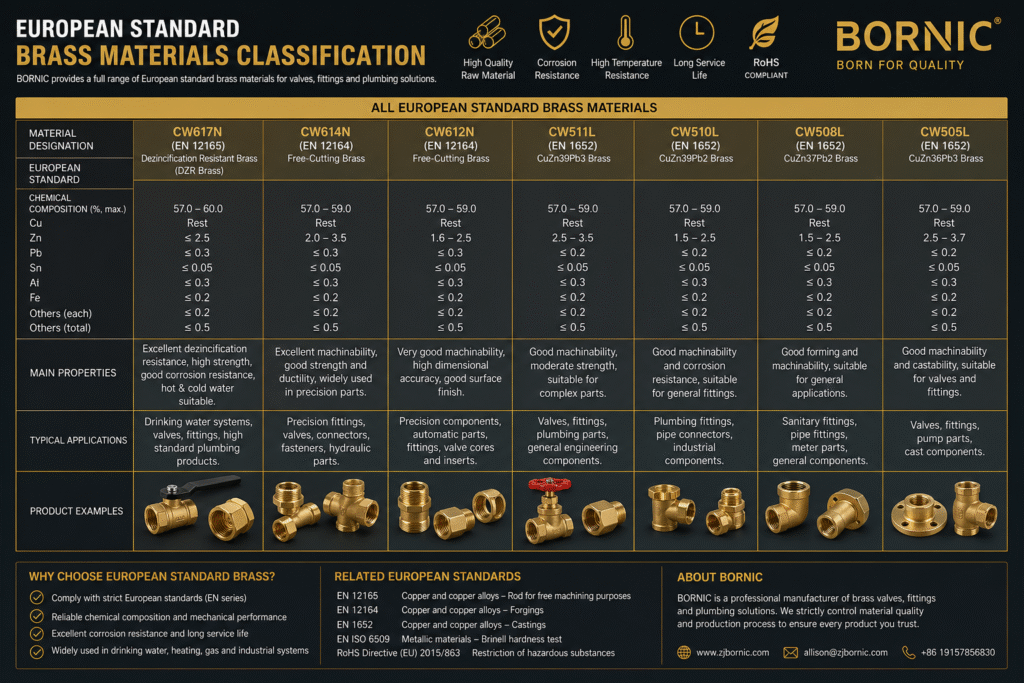
At BORNIC, we understand that successful drainage systems require more than pipes alone.
In addition to plumbing and piping solutions, BORNIC supplies high-quality:
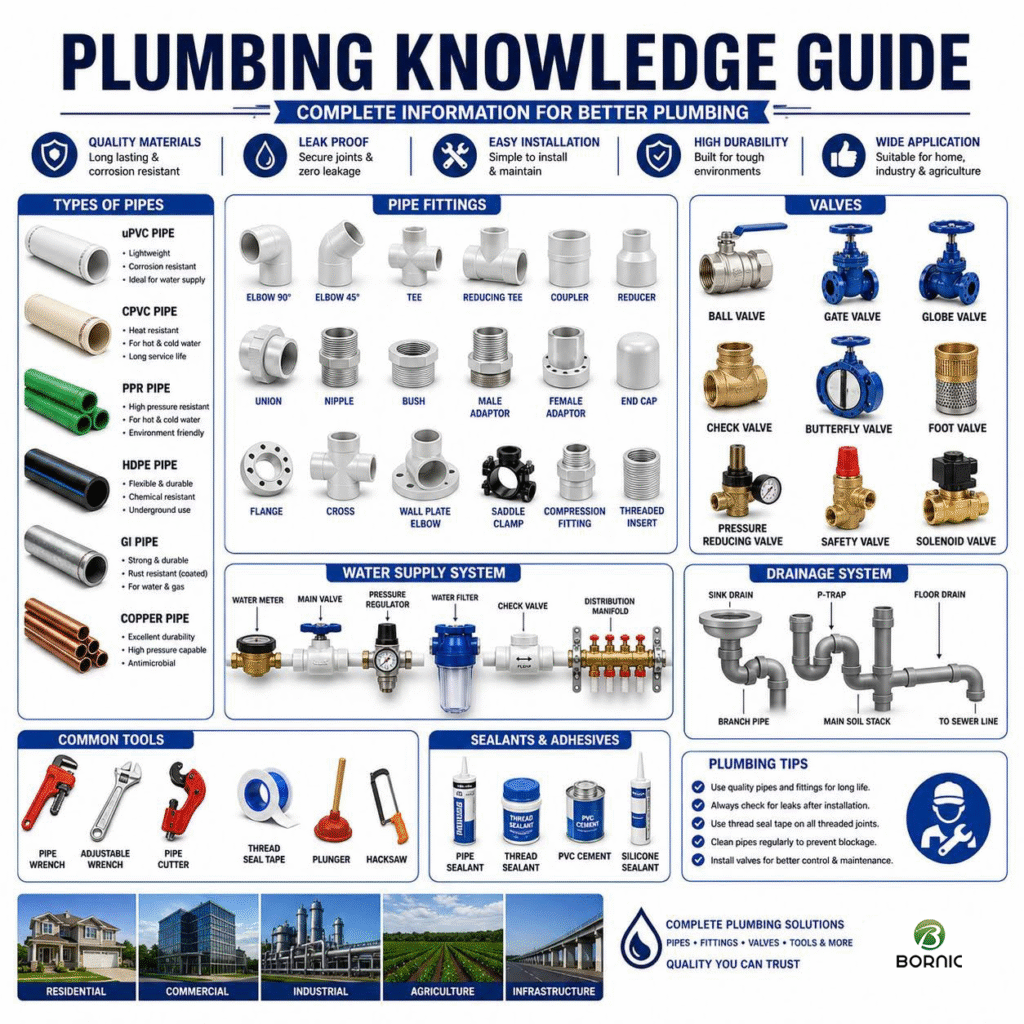
- Brass ball valves
- Check valves
- Stop valves
- Compression fittings
- Plumbing accessories
- Water control components
These products are widely used in residential, commercial, and industrial water systems worldwide.
By combining reliable drainage infrastructure with dependable flow control products, project owners can achieve greater system efficiency and long-term reliability.
Conclusion
A properly designed drainage pipe system is essential for protecting buildings, landscapes, and infrastructure from water-related damage.
Whether you are planning a drainage system for home use, installing an underground water drainage system, designing commercial drainage pipework, or selecting landscaping pipe solutions, PVC drainage piping offers a reliable and cost-effective solution.
From rain drain pipe applications to large-scale underground drainage solutions, modern PVC drainage systems continue to provide the performance, durability, and efficiency demanded by today’s construction industry.
Investing in quality drainage pipes, proper installation practices, and compatible system components will ensure long-term success and lower maintenance costs for years to come.