Introduction
Modern plumbing and wastewater management systems rely heavily on durable, corrosion-resistant piping materials. Among all available options, PVC drain pipe systems have become one of the most widely used solutions for residential, commercial, and industrial drainage applications.
From household bathroom drainage to municipal sewer networks, PVC drainage piping offers an excellent combination of affordability, durability, and ease of installation.
In this guide, we’ll explore everything buyers, contractors, engineers, and distributors need to know about PVC drain pipe systems, including PVC drainage pipes and fittings, DWV systems, sewer pipe connections, fitting types, installation considerations, and industry applications.
What Is a PVC Drain Pipe System?
A PVC drain pipe system is a network of pipes and fittings designed to transport wastewater, sewage, and drainage water away from buildings and infrastructure.
PVC (Polyvinyl Chloride) is widely chosen because it offers:
- Excellent corrosion resistance
- Smooth internal surfaces
- Lightweight construction
- Easy installation
- Long service life
- Cost-effective maintenance
PVC drain pipe systems are commonly used for:
- Residential plumbing
- Commercial buildings
- Municipal sewer networks
- Stormwater drainage
- Industrial wastewater systems
Why PVC Drainage Piping Is So Popular
Compared with traditional materials such as cast iron, galvanized steel, or concrete pipes, PVC drainage piping provides significant advantages.
Corrosion Resistance
Unlike metal piping systems, PVC does not rust or corrode when exposed to moisture, sewage, or chemicals.
Lightweight Installation
PVC pipes are significantly lighter than cast iron sewer pipes, reducing transportation and labor costs.
Smooth Interior Surface
The smooth internal wall minimizes flow resistance and reduces the possibility of blockages.
Long Service Life
Properly installed PVC drainage systems can often provide decades of reliable service.
Common Types of PVC Drain Pipes
PVC Drain Pipe
The standard PVC drain pipe is designed for residential and commercial wastewater systems.
Typical applications include:
- Bathroom drainage
- Kitchen waste systems
- Laundry discharge
- Utility room drainage
PVC Waste Pipe
A PVC waste pipe is primarily used for transporting wastewater from sinks, bathtubs, showers, and appliances.
These systems are designed to remove greywater efficiently while preventing leaks and odors.
PVC Sewer Drain Pipe
PVC sewer drain pipe is engineered for underground sewer transport.
Applications include:
- Municipal sewer systems
- Commercial developments
- Residential sewer connections
- Industrial wastewater networks
The demand for PVC sewer drain pipe continues to grow due to its durability and low maintenance requirements.
Sewer PVC Pipe
A sewer PVC pipe typically handles larger volumes of wastewater and is designed to withstand underground installation conditions.
Common diameters include:
- 3 inch PVC pipe
- 4 inch PVC pipe
- 6 inch PVC pipe
- 8 inch PVC pipe
Understanding PVC DWV Systems
One of the most important applications of PVC drainage piping is the DWV system.
DWV stands for:
- Drain
- Waste
- Vent
PVC DWV systems are designed to:
- Remove wastewater
- Prevent sewer gases from entering buildings
- Maintain proper air pressure within the plumbing system
A properly designed PVC DWV system ensures efficient drainage while protecting occupant health and safety.
PVC DWV Pipe Fittings Explained
A drainage system is only as reliable as its fittings.
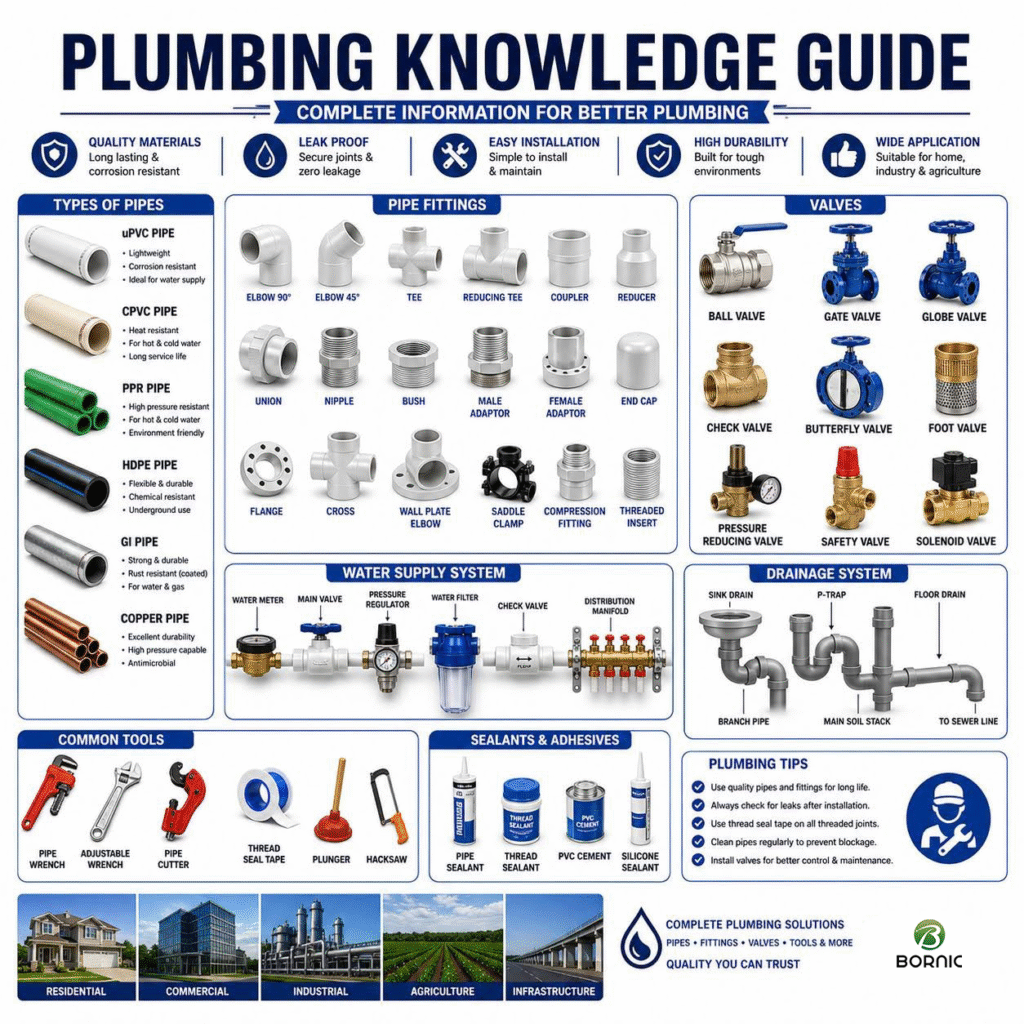
Common PVC DWV pipe fittings include:
Elbows
Used to change flow direction.
Available in:
- 45°
- 90°
Tees
Allow branch connections between drain lines.
Wyes
Designed to improve flow efficiency and reduce turbulence.
Couplings
Connect two pipe sections together.
Cleanouts
Provide access for maintenance and cleaning.
PVC Drainage Pipes and Fittings
A complete drainage network requires both pipes and fittings.
Common PVC drainage pipes and fittings include:
- PVC drain fitting
- PVC sewer fittings
- DWV fittings
- Drain plumbing fittings
- Sewer plumbing fittings
- Plumbing drain pipe fittings
Selecting compatible components ensures leak-free performance and long-term reliability.
Popular PVC Pipe Sizes
3 Inch PVC Fittings
3 inch PVC fittings are commonly used in:
- Toilet drainage
- Residential sewer lines
- Main waste stacks
Popular search terms include:
- 3 inch PVC fittings
- PVC pipe fittings 3 inch
- 3 PVC fittings
- 3 PVC pipe fittings
- 3 inch PVC plumbing fittings
4 Inch PVC Drain Pipe Fittings
4 inch PVC drain pipe fittings are often found in:
- Building sewer exits
- Commercial drainage systems
- Municipal connections
Common fitting types include:
- Couplings
- Elbows
- Reducers
- Wyes
Toilet PVC Pipe Applications
The toilet PVC pipe is one of the most critical components in residential plumbing systems.
Most toilet installations utilize:
- 3 inch drain pipe
- 4 inch drain pipe
Proper sizing helps prevent:
- Clogs
- Slow drainage
- Sewer gas leakage
Sewer Pipe Connections: Best Practices
Reliable sewer pipe connections are essential for system longevity.
Important considerations include:
Proper Alignment
Misaligned connections can cause leakage and blockages.
Correct Solvent Welding
PVC joints should be properly cleaned, primed, and cemented.
Adequate Slope
Industry standards typically recommend a gradual slope to maintain proper flow velocity.
Inspection Access
Cleanouts should be strategically installed for future maintenance.
Choosing the Right PVC Sewer Fittings
When selecting PVC sewer fittings, consider:
Pipe Diameter
Match fitting sizes precisely.
Pressure Requirements
Although most drainage systems operate under gravity flow, certain applications may require specialized fittings.
Chemical Exposure
Industrial systems may require enhanced chemical resistance.
Local Plumbing Codes
Always verify compliance with regional standards.
Common Problems in PVC Drain Systems
Even high-quality systems can experience issues if improperly installed.
Blockages
Usually caused by grease, debris, or inadequate pipe slope.
Joint Leakage
Typically caused by poor solvent welding.
Root Intrusion
Can occur in underground sewer lines.
Improper Venting
May lead to slow drainage and unpleasant odors.
Proper design and installation significantly reduce these risks.
Why Contractors Prefer PVC Drain Pipe Systems
Professional installers often choose PVC drain pipe systems because they offer:
- Faster installation
- Lower labor costs
- Excellent reliability
- Easy maintenance
- Broad fitting compatibility
For modern construction projects, PVC remains one of the most practical drainage solutions available.
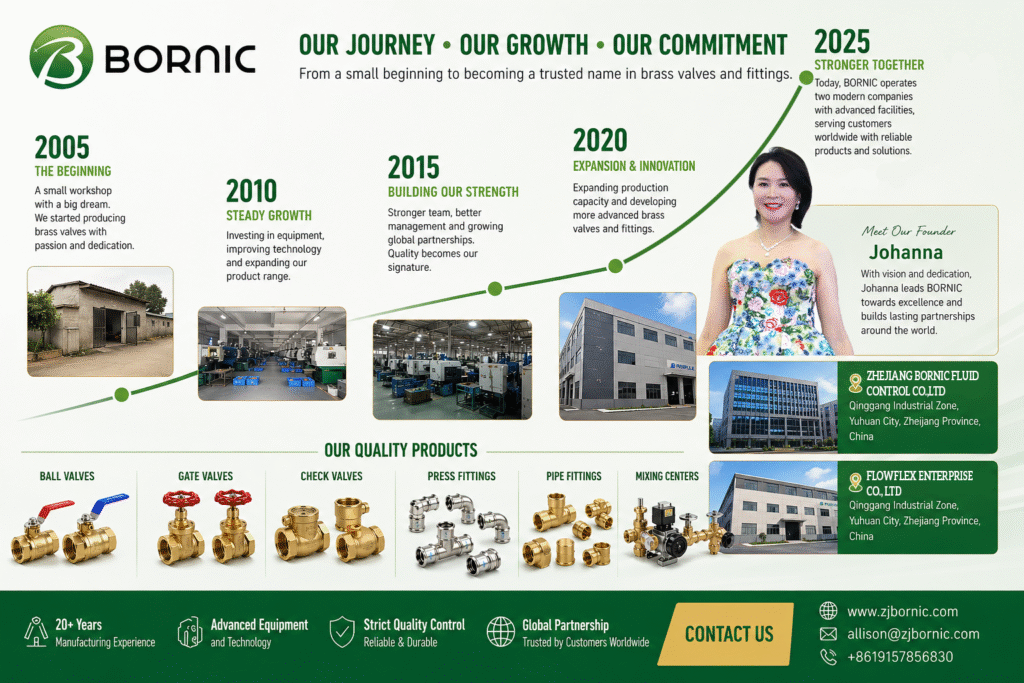
BORNIC: Supporting Modern Plumbing and Drainage Systems
At BORNIC, we understand that successful plumbing systems require more than just quality pipes.
Our product range includes:
- Brass ball valves
- Stop valves
- Check valves
- Compression fittings
- Plumbing accessories
- Water control solutions
These components are frequently integrated alongside PVC drainage and plumbing systems in residential, commercial, and industrial projects worldwide.
By combining reliable drainage infrastructure with high-quality flow control products, contractors can build systems that deliver long-term performance and efficiency.
Conclusion
PVC drain pipe systems continue to play a critical role in modern plumbing and wastewater management. Whether you’re installing a simple toilet PVC pipe connection or designing a large-scale sewer network, selecting the right PVC drainage pipes and fittings is essential for long-term success.
From PVC waste pipe systems to PVC DWV pipe fittings, today’s drainage solutions offer outstanding reliability, cost efficiency, and ease of installation.
For contractors, distributors, and project managers, understanding the complete drainage ecosystem—including pipes, fittings, sewer pipe connections, and supporting valve systems—helps ensure every project meets performance expectations while remaining cost-effective for years to come.