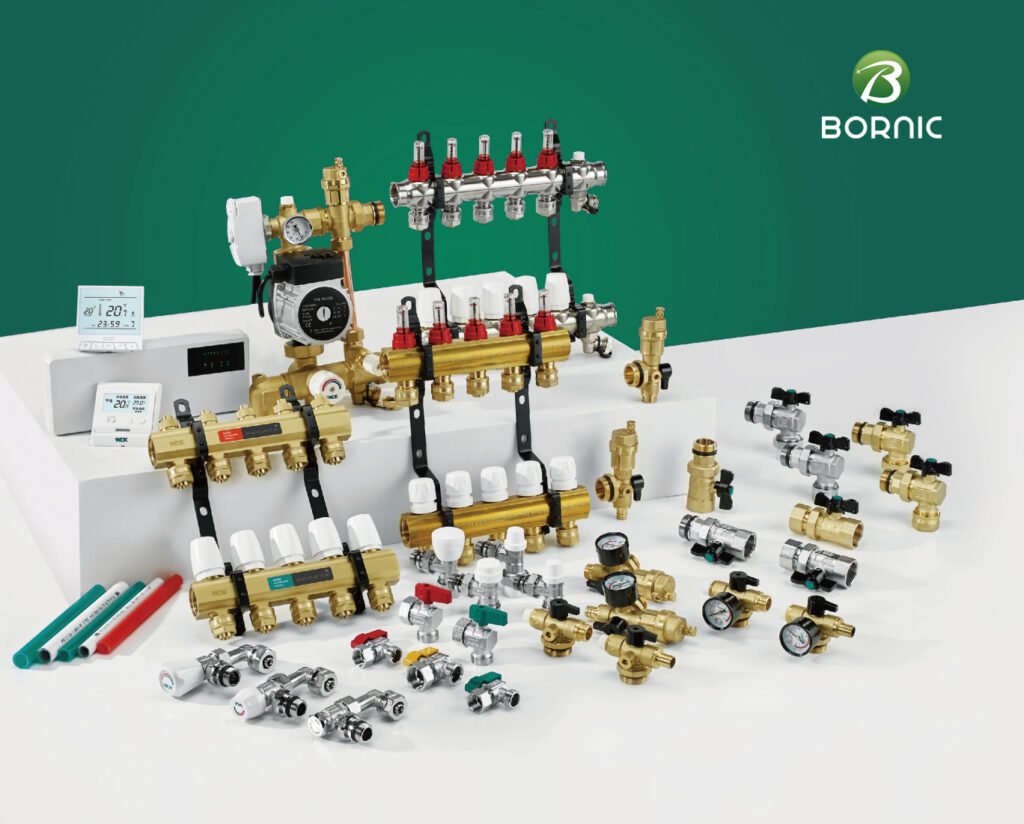
In modern HVAC and hydronic heating systems, maintaining proper water flow and stable temperature control is essential for performance, energy savings, and long-term system reliability. This is where pressure balance valves and balancing valves play a critical role.
Whether in residential heating systems, commercial HVAC installations, underfloor heating, or chilled water applications, balancing technology helps ensure every circuit receives the correct flow and pressure.
Many engineers, contractors, and distributors search for:
- What is a pressure balance valve
- How does a balancing valve work
- Difference between pressure balancing valve and balancing valve
- Best balancing valve for HVAC systems
- Dynamic balancing valve vs static balancing valve
- Pressure independent balancing valve applications
This guide explains everything you need to know about balancing valves, including working principles, applications, installation tips, and how BORNIC balancing valves provide reliable performance for global HVAC projects.
What Is a Pressure Balance Valve?
A pressure balance valve is a valve designed to maintain stable pressure conditions inside a piping or HVAC system.
Its main function is to automatically compensate for pressure fluctuations caused by:
- Variable water demand
- Pump operation changes
- Opening and closing of valves
- System load variations
Pressure balance valves help maintain consistent flow rates and stable temperature performance throughout the system.
These valves are commonly used in:
- HVAC systems
- Underfloor heating systems
- Hot water circulation systems
- Commercial buildings
- Residential hydronic heating
What Is a Balancing Valve?
A balancing valve is a mechanical device used to regulate water flow in hydronic systems.
Its purpose is to ensure that every branch or terminal unit receives the designed flow rate.
Without proper balancing:
- Some rooms become too hot
- Some areas remain too cold
- Pumps consume excess energy
- System efficiency drops significantly
Balancing valves solve these issues by adjusting and controlling flow distribution.
Difference Between Pressure Balance Valve and Balancing Valve
Many people confuse these two valve types because they both improve HVAC system stability.
However, their functions are different.
| Valve Type | Main Function |
|---|---|
| Pressure Balance Valve | Maintains stable pressure and temperature |
| Balancing Valve | Adjusts and regulates water flow |
Pressure balance valves focus more on pressure compensation, while balancing valves focus on hydraulic flow balancing.
In advanced HVAC systems, both are often used together.
Why Balancing Valves Are Important in HVAC Systems
Hydronic heating and cooling systems require accurate water distribution.
Without balancing valves, the system may experience:
- Uneven heating or cooling
- High energy consumption
- Noisy pipes
- Pump overload
- Temperature instability
- Reduced equipment lifespan
Installing high-quality balancing valves improves:
- Comfort
- System efficiency
- Energy savings
- Long-term reliability
This is especially important in:
- Commercial HVAC systems
- Multi-floor buildings
- Underfloor heating systems
- Fan coil unit systems
- Chilled water applications
Types of Balancing Valves
There are several common types of balancing valves used in modern HVAC systems.
1. Static Balancing Valve
Static balancing valves are manually adjusted during system commissioning.
These valves:
- Control flow rate manually
- Require measurement instruments
- Remain fixed after adjustment
Advantages:
- Simple structure
- Affordable price
- Reliable operation
Applications:
- Residential heating systems
- Small HVAC systems
- Basic hydronic systems
2. Dynamic Balancing Valve
Dynamic balancing valves automatically maintain stable flow rates despite pressure changes.
Advantages:
- Automatic pressure compensation
- Better energy efficiency
- Stable system performance
- Reduced commissioning time
Applications:
- Commercial buildings
- Variable flow HVAC systems
- Large hydronic systems
Dynamic balancing valves are becoming increasingly popular in modern energy-efficient buildings.
3. Pressure Independent Balancing Valve (PIBV)
Pressure independent balancing valves combine:
- Flow control
- Differential pressure regulation
These valves provide extremely accurate flow control even when system pressure changes constantly.
Advantages include:
- Energy savings
- Stable room temperatures
- Improved HVAC control accuracy
Common applications:
- Fan coil units
- Air handling units
- Smart HVAC systems
How Does a Pressure Balancing Valve Work?
A pressure balancing valve continuously monitors pressure differences within the system.
When pressure changes occur, the internal mechanism automatically adjusts the valve opening to maintain stable flow conditions.
For example:
- If system pressure increases, the valve reduces flow opening
- If pressure drops, the valve opens wider
This automatic adjustment protects the HVAC system from imbalance and temperature fluctuations.
Common Applications for Balancing Valves
Balancing valves are widely used across heating and cooling systems.
Underfloor Heating Systems
Underfloor heating requires precise water flow balancing to ensure even floor temperatures.
Balancing valves help distribute heat evenly across all circuits.
Chilled Water HVAC Systems
In commercial cooling systems, balancing valves regulate chilled water flow to fan coil units and air handling equipment.
Boiler Systems
Boiler efficiency depends on proper hydraulic balance.
Balancing valves optimize heat distribution and reduce energy waste.
Fan Coil Units
Pressure independent balancing valves improve temperature control and system responsiveness.
Multi-Zone Heating Systems
In buildings with multiple heating zones, balancing valves prevent uneven temperatures between rooms.
Benefits of Using High-Quality Balancing Valves
Investing in professional balancing valves provides major long-term benefits.
Improved Energy Efficiency
Balanced systems reduce pump workload and improve thermal performance.
This lowers electricity consumption and operating costs.
Better Temperature Comfort
Proper flow balancing ensures consistent temperatures across all rooms.
Reduced System Noise
Hydraulic imbalance often causes pipe noise and water hammer problems.
Balancing valves stabilize water flow and reduce noise.
Longer HVAC Equipment Lifespan
Balanced flow reduces stress on:
- Pumps
- Boilers
- Heat exchangers
- Control valves
This extends equipment service life.
Easier System Commissioning
Modern balancing valves simplify system setup and adjustment.
Common Problems Caused by Poor Balancing
Without balancing valves, HVAC systems often experience:
- Uneven room temperatures
- Excessive energy bills
- Poor circulation
- Flow instability
- Reduced cooling performance
- Overheated boiler return temperatures
Many HVAC inefficiency problems are directly related to improper hydraulic balancing.
How to Choose the Right Balancing Valve
When selecting a balancing valve, consider:
System Type
Choose valves designed specifically for:
- Heating systems
- Cooling systems
- Underfloor heating
- Fan coil systems
Flow Range
The valve must match the required flow rate and pipe size.
Pressure Rating
Ensure the valve supports the operating pressure of the HVAC system.
Material Quality
High-quality brass balancing valves offer:
- Corrosion resistance
- Long service life
- Stable performance
BORNIC Balancing Valves for Modern HVAC Systems
At BORNIC, we specialize in high-quality HVAC valves and hydronic control solutions for global markets.
Our balancing valve product range is designed for:
- Residential HVAC systems
- Commercial buildings
- Underfloor heating
- Boiler systems
- Chilled water applications
BORNIC balancing valves are manufactured using high-quality brass materials and advanced machining technology to ensure reliable performance and long-term durability.
Features of BORNIC Pressure Balancing Valves
Our pressure balancing valves provide:
- Accurate flow control
- Stable pressure regulation
- Excellent sealing performance
- Corrosion resistance
- Easy installation
- Long service life
We also support:
- OEM customization
- Private label solutions
- Different connection standards
- Multiple size options
Why Global Customers Choose BORNIC
BORNIC products are trusted by customers in Europe, South America, the Middle East, and other international markets.
Advantages include:
- Strict quality inspection
- Competitive pricing
- Fast production capability
- Professional export experience
- Stable product quality
We continuously develop reliable HVAC valve solutions for distributors, wholesalers, and engineering projects worldwide.
Installation Tips for Balancing Valves
For best performance:
- Install according to flow direction markings
- Avoid excessive pipe vibration
- Ensure proper flushing before installation
- Use pressure testing after installation
Professional commissioning helps achieve optimal system balance.
Future Trends in HVAC Balancing Technology
Modern HVAC systems increasingly focus on:
- Smart energy management
- Automatic flow control
- Variable speed pumping
- Pressure independent systems
As energy efficiency standards continue to rise, demand for advanced balancing valves will continue growing globally.
Final Thoughts
Pressure balance valves and balancing valves are essential components in modern HVAC and hydronic systems.
They help improve:
- Energy efficiency
- Indoor comfort
- System stability
- Equipment lifespan
Whether for residential heating systems or large commercial HVAC projects, choosing high-quality balancing valves is critical for long-term performance.
BORNIC provides professional balancing valve solutions designed to meet the needs of modern heating and cooling systems worldwide.
With reliable quality, strong manufacturing capability, and global export experience, BORNIC continues to support customers with dependable HVAC valve products built for efficiency and durability.