Introduction
Old style gas shut off valves are still widely found in residential kitchens, industrial gas lines, and older heating systems around the world. These valves are often made of brass or bronze, and were designed decades ago when gas distribution systems were simpler and operated under different safety standards.
Today, engineers, plumbers, and homeowners often ask:
Are old gas shut off valves still safe to use?
Should old brass gas valves be replaced immediately?
What are the risks of vintage gas shut off valves?
This article explores old style gas shut off valves from a scientific, mechanical, and safety perspective, without giving a single absolute conclusion.
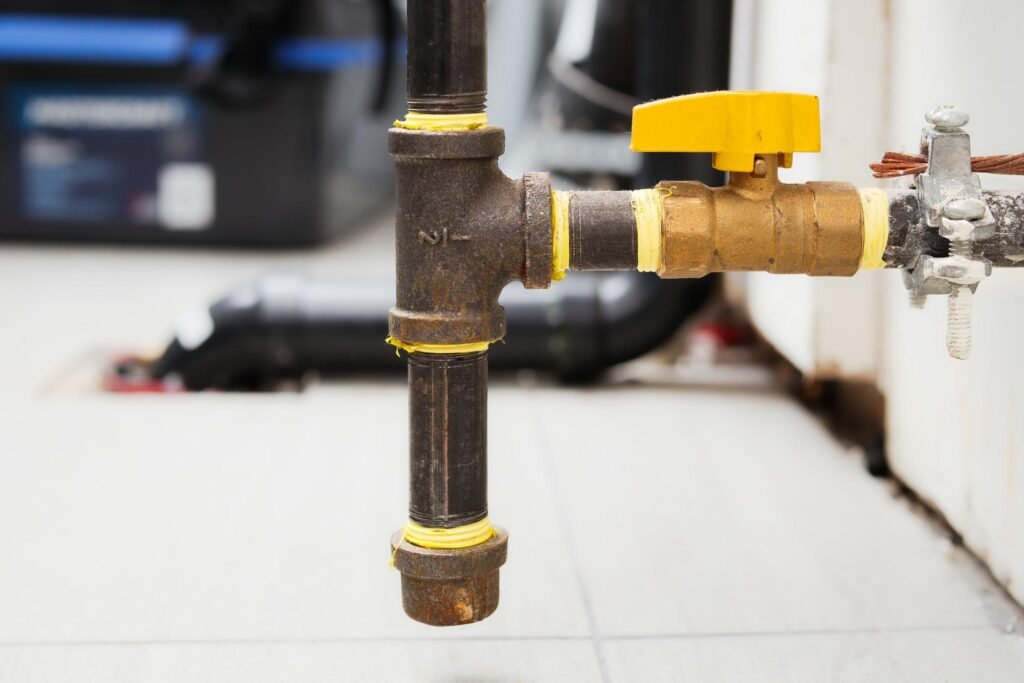
What Are Old Style Gas Shut Off Valves?
Old style gas shut off valves refer to earlier generations of manual gas control valves used in:
- Gas stoves
- Gas burners
- Gas cookers
- Gas ranges
- Residential gas pipelines
- Industrial burner systems
These valves are typically:
- Quarter-turn or multi-turn brass valves
- Threaded connection types
- Manually operated handle valves
How Old Gas Valves Work (Engineering Principle)
The basic function of a gas shut off valve is simple:
- Rotate handle → open/close gas flow
- Internal plug or ball → controls gas passage
Two main designs exist:
1. Plug or Gate Type (Older Design)
- Requires multiple turns
- Mechanical sealing using metal contact
- More wear over time
2. Ball Valve Type (Modern Design)
- Quarter turn operation
- Tighter sealing
- Lower leakage probability
Older valves often use the first system.
Why Old Gas Valves Are Still in Use
Despite being outdated in design, many old gas valves remain functional due to:
1. Brass Durability
Brass resists:
- Corrosion
- Gas chemical reactions
- Long-term pressure stress
2. Mechanical Simplicity
Fewer parts = fewer immediate failure points.
3. Slow Degradation
Gas systems degrade slowly compared to water systems.
4. Installation Legacy
Many systems were installed 20–50 years ago and never replaced.
Scientific Concerns About Old Gas Shut Off Valves
Even though they still function, engineering literature highlights several concerns.
1. Seal Aging and Gas Leakage Risk
Rubber or PTFE seals inside old valves may degrade over time.
Possible effects:
- Micro gas leakage
- Hardening of sealing components
- Reduced shut-off performance
Even small leaks in gas systems are considered critical due to flammability.
2. Thread Wear and Mechanical Fatigue
Old valves often use:
- Tapered threads
- Metal-to-metal sealing
Over decades:
- Threads may loosen
- Sealing precision decreases
- Torque requirements increase
3. Material Aging in Brass Valves
Even brass can experience:
- Dezincification (in low-quality alloys)
- Surface corrosion
- Stress cracking (rare but possible)
This is why modern standards prefer certified alloys.
4. Compatibility With Modern Gas Standards
Older valves were not designed for:
- Modern high-efficiency gas appliances
- Updated safety codes
- Higher pressure stabilization systems
Gas Range Valve and Burner Systems
Old style valves are commonly found in:
- gas range valve systems
- gas stove valve
- gas cooker valve
- burner valve
- gas stove burner valve
These are critical points because:
- They control direct flame systems
- Leakage risk impacts indoor air safety
Gas Stove Valve Replacement Considerations
Many users search:
👉 gas stove valve replacement
👉 gas burner valve replacement
👉 gas stove valve replacement cost
Common issues include:
- Handle stiffness
- Partial leakage
- Flame instability
- Difficulty shutting off fully
Replacement is often recommended when:
- Valve cannot fully close
- Smell of gas is detected
- Handle rotation becomes irregular
Gas Valve Types Comparison (Old vs Modern)
| Feature | Old Style Gas Valve | Modern Gas Ball Valve |
|---|---|---|
| Operation | Multi-turn | Quarter turn |
| Sealing | Metal + aging seal | Precision sealing |
| Leak risk | Medium (age dependent) | Lower |
| Maintenance | Frequent | Minimal |
| Safety compliance | Older standards | Updated standards |

Scientific Perspective: Is Replacement Necessary?
There is no universal engineering rule that all old gas valves must be replaced immediately.
Instead, experts consider:
1. Leak Testing Results
If valve passes pressure test → may still be usable
2. Material Condition
Brass quality matters significantly
3. Usage Environment
- Indoor kitchen systems = higher safety requirement
- Industrial outdoor systems = different risk level
4. Age Factor
Older than 20–30 years → inspection strongly recommended
Old Brass Gas Valve vs New Brass Valves
Old brass gas valves:
- Heavier casting
- Less precise machining
- Basic sealing design
Modern brass gas valves:
- CNC precision machining
- Lead-free brass options
- Improved sealing structure
- Compliance with EN/ISO/ANSI standards
Gas Line Old Style Shut Off Valves (Underground/Wall Systems)
Some systems use:
- gas line old style gas shut off valves
- buried or wall-mounted valves
Risks include:
- Hard access for maintenance
- Corrosion in hidden environments
- Delayed leak detection
Safety Indicators of a Failing Gas Valve
Warning signs include:
- Smell of gas near valve
- Difficulty turning handle
- Hissing sound
- Inconsistent flame behavior
- Visible corrosion
If any appear, inspection is recommended.
Gas Valve Replacement Cost Consideration
Search term:
👉 gas stove valve replacement cost
Costs depend on:
- Valve type
- Installation complexity
- Pipe access
- Local labor rates
However, engineers often note:
Preventive replacement is usually cheaper than emergency repair after leakage.
Industrial Insight: Why Old Gas Valves Still Exist
From an industrial perspective:
- Gas systems are slow-changing infrastructure
- Many systems operate safely for decades
- Replacement cycles are long
However, safety regulations are becoming stricter globally.
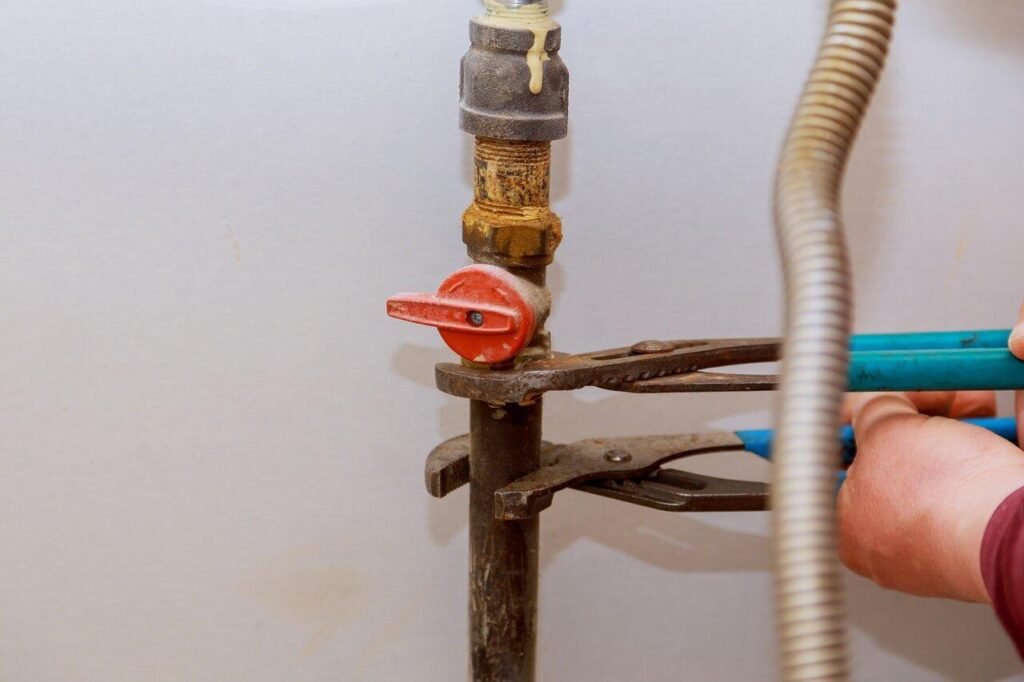
Conclusion: Are Old Style Gas Shut Off Valves Safe?
Old style gas shut off valves represent a mix of durability and uncertainty.
From a scientific and engineering standpoint:
- They can still function under stable conditions
- Their performance depends heavily on material aging and seal condition
- Risk increases with age, wear, and lack of maintenance
Therefore, rather than a fixed answer, the real question becomes:
Should the valve be inspected, maintained, or replaced based on its current condition?
Modern gas systems increasingly prefer updated brass valve designs due to improved sealing technology and compliance standards, but old valves remain part of existing infrastructure worldwide.
Related Keywords Covered
- old gas valve
- old brass gas valve
- vintage gas valve
- gas stove valve
- gas range valve replacement
- gas burner valve
- gas cooker valve
- burner valve
- gas stove valve replacement cost
- old style gas shut off valves
BORNIC Product Line (Optional CTA)
- Brass gas valves
- Ball gas shut off valves
- Gas stove safety valves
- Industrial brass valves
- OEM gas control solutions
Website: www.zjbornic.com
Email: allison@zjbornic.com
WhatsApp: +86 19157856830