
Underfloor heating has become one of the fastest-growing home heating solutions worldwide. More homeowners are replacing traditional radiators with modern radiant floor heating systems because of their comfort, energy efficiency, and clean interior appearance.
One of the most common questions people ask before installing a system is:
“How much does underfloor heating cost?”
The answer depends on several factors including:
- Type of underfloor heating system
- Home size
- Flooring material
- Installation method
- Energy source
- Labor costs
- New build or renovation project
Many homeowners also search for:
- Underfloor heating installation cost
- Electric underfloor heating cost per square foot
- Hydronic underfloor heating cost
- Cost to run underfloor heating
- Is underfloor heating worth it
- Underfloor heating for existing homes
- Cheapest underfloor heating system
- Underfloor heating operating costs
This guide explains the real cost of underfloor heating systems, installation pricing, running expenses, maintenance, and how to choose the right solution for your home.
What Is Underfloor Heating?
Underfloor heating is a radiant heating system installed beneath the floor surface.
Instead of heating a room through wall radiators or forced air, underfloor heating warms the floor itself, allowing heat to rise evenly throughout the room.
The two most common systems are:
- Electric underfloor heating
- Hydronic (water-based) underfloor heating
Both systems improve comfort and provide more balanced indoor temperatures.
Average Underfloor Heating Installation Cost
Underfloor heating costs vary significantly depending on the project type and system selection.
Below are general average price ranges.
| System Type | Average Installed Cost |
|---|---|
| Electric underfloor heating | $8–$15 per sq ft |
| Hydronic underfloor heating | $15–$30 per sq ft |
| Whole-home hydronic systems | $10,000–$30,000+ |
| Small bathroom electric system | $500–$2,000 |
Large custom homes may exceed these ranges depending on complexity and heating requirements.
Electric Underfloor Heating Cost
Electric systems are usually more affordable to install initially.
These systems use:
- Heating cables
- Heating mats
- Electric radiant film systems
Electric underfloor heating is especially popular for:
- Bathrooms
- Kitchens
- Small renovation projects
Typical Electric Underfloor Heating Costs
| Room Type | Estimated Cost |
|---|---|
| Bathroom | $500–$1,500 |
| Kitchen | $1,000–$2,500 |
| Bedroom | $1,500–$3,500 |
Electric systems are easier and faster to install compared to hydronic systems.
However, operating costs may be higher depending on local electricity prices.
Hydronic Underfloor Heating Cost
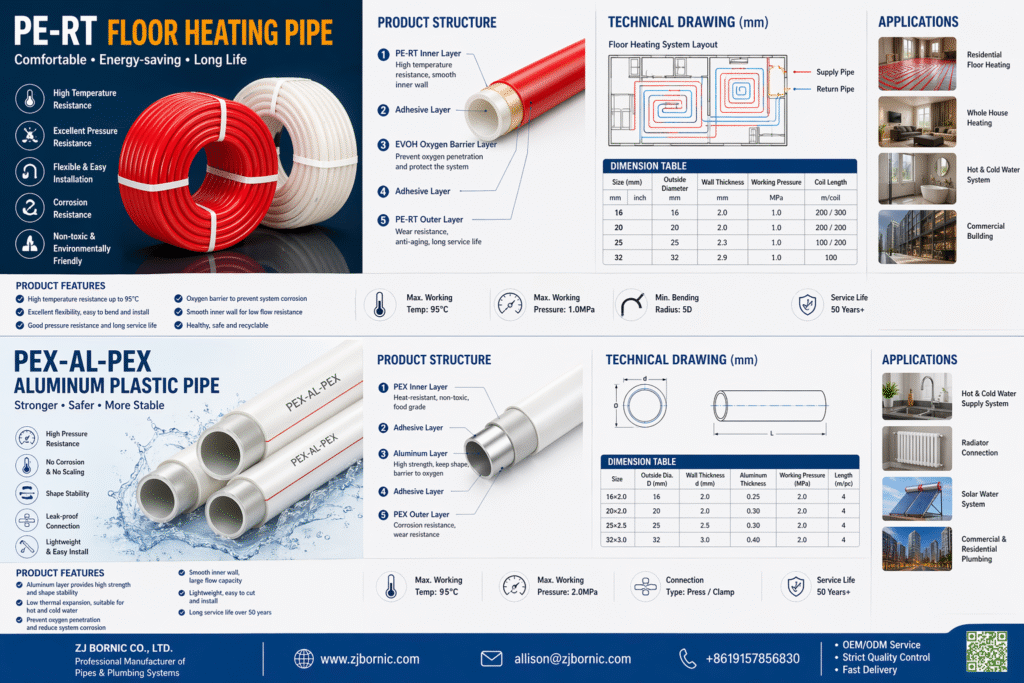
Hydronic systems circulate warm water through pipes installed beneath the floor.
These systems require:
- PEX piping
- Brass manifold
- Pump station
- Mixing valves
- Boiler or heat pump
Hydronic systems are more expensive initially but often provide lower long-term operating costs.
Typical Hydronic Underfloor Heating Costs
| Home Size | Estimated Cost |
|---|---|
| Small apartment | $5,000–$10,000 |
| Medium home | $10,000–$20,000 |
| Large house | $20,000–$40,000+ |
Hydronic systems are ideal for:
- Whole-house heating
- New construction
- Energy-efficient homes
- Heat pump systems
What Affects Underfloor Heating Cost?
Several important factors influence total installation cost.
1. Type of Heating System
Electric systems have lower installation costs.
Hydronic systems cost more initially because they require:
- Water circulation systems
- Boiler integration
- Plumbing installation
- Additional control equipment
However, hydronic systems are often cheaper to operate over time.
2. Home Size
Larger homes require:
- More pipe or cable materials
- More labor
- Additional manifolds
- More heating zones
This increases overall installation costs.
3. Flooring Material
Different flooring materials affect installation complexity and heat transfer performance.
Tile and stone are generally ideal for underfloor heating.
Wood flooring and carpet may require special installation considerations.
4. New Build vs Renovation
Installing underfloor heating in new construction is usually cheaper because the floor system is already open.
Retrofitting existing homes often costs more due to:
- Floor removal
- Height adjustments
- Additional labor
Renovation projects can significantly increase installation expenses.
5. Insulation Quality
Proper insulation is essential for efficient underfloor heating.
Poor insulation causes:
- Heat loss
- Higher operating costs
- Reduced system efficiency
Adding insulation may increase installation costs initially but lowers energy bills long term.
6. Heat Source
Hydronic systems can connect to:
- Gas boilers
- Oil boilers
- Air source heat pumps
- Ground source heat pumps
Heat pump systems may have higher installation costs but excellent energy efficiency.
Cost to Run Underfloor Heating
Many homeowners worry about operating expenses.
The actual running cost depends on:
- Energy prices
- Home insulation
- Thermostat settings
- Climate conditions
- Heating system type
Electric Underfloor Heating Running Cost
Electric systems usually cost more to operate than hydronic systems.
Average electricity consumption ranges from:
- 100–200 watts per square meter
Operating costs vary widely depending on local electricity rates.
Electric systems are generally best for:
- Small rooms
- Occasional heating
- Bathrooms
Hydronic Underfloor Heating Running Cost
Hydronic systems are often more energy efficient because they operate at lower water temperatures.
Typical water temperatures:
| System Type | Average Temperature |
|---|---|
| Radiators | 65–75°C |
| Underfloor heating | 35–45°C |
Lower operating temperatures reduce energy consumption.
Hydronic systems paired with heat pumps can achieve very low operating costs.
Is Underfloor Heating Worth the Cost?
For many homeowners, yes.
Although installation costs may be higher than traditional radiators, underfloor heating provides several long-term advantages.
Benefits include:
- Better comfort
- Improved energy efficiency
- Even heat distribution
- Lower maintenance
- Modern home appearance
- Increased property value
Many homeowners consider underfloor heating a premium upgrade.
Underfloor Heating vs Radiators Cost Comparison
| Feature | Underfloor Heating | Radiators |
|---|---|---|
| Installation Cost | Higher | Lower |
| Operating Efficiency | Higher | Lower |
| Heat Distribution | Even | Uneven |
| Maintenance | Low | Moderate |
| Space Saving | Excellent | Limited |
Radiators may be cheaper initially, but underfloor heating often provides better long-term efficiency and comfort.
Cheapest Way to Install Underfloor Heating
For budget-conscious homeowners, several approaches help reduce costs.
Install During New Construction
Installing during construction avoids expensive floor removal and renovation labor.
Use Electric Systems for Small Rooms
Bathrooms and kitchens are ideal for electric underfloor heating because installation is simpler and more affordable.
Improve Home Insulation
Good insulation reduces required heating output and operating costs.
Use Smart Thermostats
Modern thermostats improve energy efficiency by optimizing heating schedules.
Common Underfloor Heating Components
Modern systems require high-quality HVAC and plumbing components for reliable performance.
These include:
- Brass manifolds
- Balancing valves
- Mixing valves
- Thermostatic controls
- PEX fittings
- Pump stations
At BORNIC, we manufacture professional HVAC and hydronic heating components for underfloor heating systems worldwide.
Our product range includes:
- Brass manifolds
- Balancing valves
- Plumbing fittings
- HVAC valves
- Hydronic system accessories
BORNIC products are designed for stable performance, energy efficiency, and long service life.
Maintenance Costs for Underfloor Heating
Underfloor heating systems require very little maintenance.
Hydronic systems may occasionally require:
- Pressure checks
- System flushing
- Pump inspection
- Thermostat calibration
PEX pipes used in modern systems often last over 50 years.
This makes underfloor heating highly reliable for long-term use.
Does Underfloor Heating Increase Home Value?
Many real estate professionals believe underfloor heating increases property appeal because buyers increasingly prefer:
- Energy-efficient homes
- Modern heating systems
- Comfortable living spaces
- Minimalist interior design
Luxury homes and modern apartments commonly include radiant floor heating as a premium feature.
Best Rooms for Underfloor Heating
Some rooms benefit more than others.
Popular applications include:
- Bathrooms
- Kitchens
- Living rooms
- Basements
- Bedrooms
Tile flooring areas usually deliver the best heating performance.
Future of Underfloor Heating
Global demand for underfloor heating continues to rise due to:
- Energy efficiency standards
- Heat pump adoption
- Smart home technology
- Modern home design trends
More homeowners now choose radiant heating systems for comfort and sustainability.
Final Thoughts
So, how much does underfloor heating cost?
The answer depends on:
- System type
- Home size
- Installation complexity
- Flooring material
- Energy source
Electric systems provide affordable installation for small spaces, while hydronic systems offer better efficiency for whole-home heating.
Although underfloor heating may require higher upfront investment compared to traditional radiators, many homeowners find the improved comfort, lower operating costs, and modern appearance well worth the price.
With proper design, quality components, and professional installation, underfloor heating can provide efficient and reliable comfort for decades.