Introduction
A fireplace gas valve is a critical component in gas heating systems, controlling the flow of natural gas or propane into fireplaces, gas logs, and decorative heating appliances.
Modern homes and commercial buildings use different types of valves such
- gas fireplace control valve
- fireplace gas valve key
- gas key valve
- gas fireplace shut off valve
- gas log valve
Although the system looks simple from the outside, its internal engineering involves precision sealing, pressure regulation, and combustion safety control.
This article explores fireplace gas valves from a scientific and engineering perspective, without assuming absolute safety or failure.
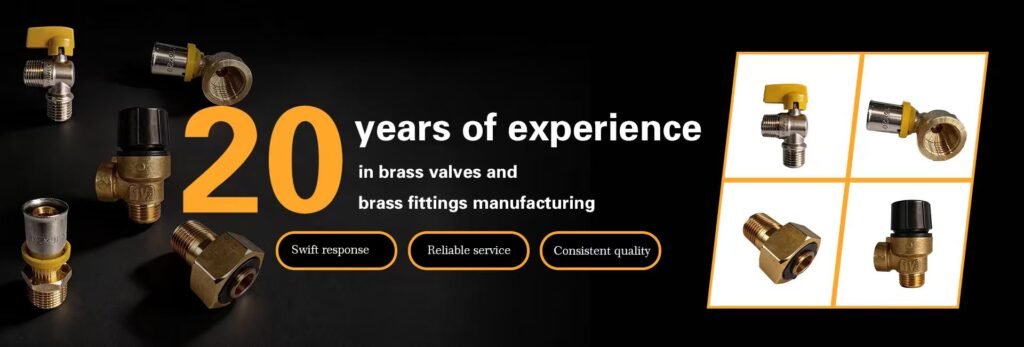
What Is a Fireplace Gas Valve?
A fireplace gas valve is a manual or semi-mechanical device that regulates gas flow into a fireplace burner system.
Common types include:
- Manual shut-off valves
- Key-operated gas valves
- Control valves for gas logs
- Integrated regulator valves
Popular search keywords:
- fireplace gas valve
- gas fireplace gas valve
- gas fireplace control valve
- gas fireplace shut off valve
How a Gas Fireplace Valve Works (Engineering Principle)
A fireplace gas valve operates through a controlled restriction mechanism.
Main function:
- Open → gas flows to burner
- Close → gas supply is fully blocked
Internal structure may include:
- Brass valve body
- Rotary plug or ball
- Sealing gasket (PTFE or elastomer)
- Control stem (key or knob)
Gas Key Valve System (Common Fireplace Design)
Many fireplaces use a gas key valve system.
Keywords:
- gas key valve
- fireplace gas valve key
- gas fireplace gas valve key
How it works:
- A removable key rotates the internal valve
- Rotation controls flame height and gas flow
- Used mainly in decorative fireplaces
Scientific consideration:
Key valves rely heavily on:
- mechanical torque precision
- sealing integrity
- operator control consistency
Why Fireplace Gas Valves Are Still Widely Used
Despite modern automation systems, manual gas valves remain common due to:
1. Mechanical Reliability
No electricity required → fewer failure points.
2. Long Service Life
Brass valves can operate for decades under stable conditions.
3. Simple Control
Users can adjust flame intensity manually.
4. Low Maintenance
Compared to electronic systems, maintenance is minimal.
Scientific Concerns in Fireplace Gas Valve Systems
Even though widely used, engineers continue to study several potential risks.

1. Seal Degradation Over Time
Internal seals may include:
- PTFE components
- rubber O-rings
Over time:
- Hardening
- Micro leakage
- Reduced elasticity
Even minimal leakage in gas systems is considered critical in safety engineering.
2. Thermal Expansion Stress
Fireplace systems experience heat cycles.
Possible effects:
- Brass expansion
- Seal compression changes
- Long-term alignment shift
This is particularly relevant in:
- gas log valve systems
- natural gas fireplace valve systems
3. Mechanical Wear of Key Valves
Gas key valves rely on repeated rotation.
Risks include:
- internal scoring
- reduced sealing precision
- loose key engagement
4. Pressure Regulation Behavior
Fireplace systems may include:
- gas fireplace regulator
- integrated pressure control systems
If pressure is unstable:
- flame inconsistency
- incomplete combustion
- efficiency loss
Gas Fireplace Control Valve vs Shut-Off Valve
| Type | Function |
|---|---|
| Gas fireplace control valve | Adjust flame intensity |
| Gas fireplace shut off valve | Fully stop gas flow |
Both are often installed together in modern systems.
Fireplace Valve Replacement Considerations
Common search terms:
- fireplace valve replacement
- gas fireplace gas valve replacement
- gas fireplace control valve replacement
Reasons for replacement:
- Difficulty turning valve
- Gas smell near valve
- Irregular flame behavior
- Mechanical stiffness
- Aging brass components
Gas Log Valve Systems
A gas log valve controls decorative fireplace flames.
Keywords:
- gas log valve
- gas log gas valve
Usage:
- Decorative fireplaces
- Indoor ambiance systems
Engineering note:
These systems prioritize aesthetics, not heating efficiency.
Natural Gas vs Propane Fireplace Valves
Different gas types affect valve behavior:
Natural Gas Fireplace Valve
- Lower pressure
- Stable distribution systems
Propane Fireplace Gas Valve
- Higher pressure
- More sensitive flow control
Fireplace Gas Regulator Role
Keywords:
- gas fireplace regulator
- gas fireplace regulator replacement
Function:
- Maintains stable gas pressure
- Prevents flame fluctuation
- Protects burner system
Failure in regulator can mimic valve issues.
Gas Fireplace Valve Safety Indicators
Possible warning signs:
- Gas smell
- Weak flame
- Delayed ignition
- Valve stiffness
- Irregular flame height
If observed, inspection is recommended.
Scientific Perspective: Are Fireplace Gas Valves Fully Reliable?
There is no universal engineering conclusion stating:
- all fireplace gas valves are unsafe
- or all are fully safe indefinitely
Instead, performance depends on:
- material quality
- maintenance cycle
- installation precision
- usage environment
Engineering standards typically evaluate:
- leakage rate
- pressure stability
- material fatigue over time
Old vs Modern Fireplace Gas Valves
| Feature | Older Valves | Modern Valves |
|---|---|---|
| Sealing system | Basic mechanical | Precision sealing |
| Safety standard | Legacy systems | Updated codes |
| Material quality | Variable brass | Certified alloys |
| Control accuracy | Medium | High |
Gas Fireplace Shut Off Valve Importance
A gas fireplace shut off valve is essential for:
- emergency gas isolation
- maintenance safety
- system repair operations
Without it, full system shutdown becomes difficult.
Industry Insight: Why Valve Aging Matters
Gas systems are designed for long-term infrastructure use, but:
- seals age faster than brass bodies
- usage cycles affect precision
- thermal cycles accelerate wear
This is why periodic inspection is recommended in engineering guidelines.
Conclusion
A fireplace gas valve is a fundamental part of any gas heating or decorative fireplace system.
However, from a scientific and engineering perspective:
- It is not just a simple on/off device
- It involves sealing mechanics, pressure behavior, and thermal effects
- Its reliability depends on age, material, and maintenance conditions
Instead of absolute classification, engineers focus on:
performance over time under real operating conditions
Modern systems continue to evolve, but manual gas valves remain widely used due to their simplicity and mechanical reliability.
Related Keywords Covered
- fireplace gas valve
- gas fireplace control valve
- fireplace valve replacement
- gas fireplace shut off valve
- gas key valve
- fireplace gas valve key
- gas log valve
- gas fireplace regulator
- propane fireplace gas valve
- natural gas fireplace valve
BORNIC Gas Valve Solutions
- Brass gas control valves
- Fireplace gas shut-off valves
- Gas key valve systems
- OEM gas valve components
- HVAC gas control solutions
Website: www.zjbornic.com
Email: allison@zjbornic.com
WhatsApp: +86 19157856830