Introduction to Brass Compression Fittings
Brass compression fittings are among the most widely used pipe connection solutions in plumbing, HVAC, gas distribution, water treatment, and industrial fluid control systems. Their popularity comes from their ability to create secure, leak-free connections without the need for soldering, welding, or special installation equipment.
Whether you are working with copper tubing, plastic tubing, or metal pipes, brass compression fittings provide a reliable and cost-effective solution.
In this guide, we will explore everything you need to know about brass compression fittings, including their types, advantages, applications, installation methods, and how to choose the right fitting for your project.
What Are Brass Compression Fittings?
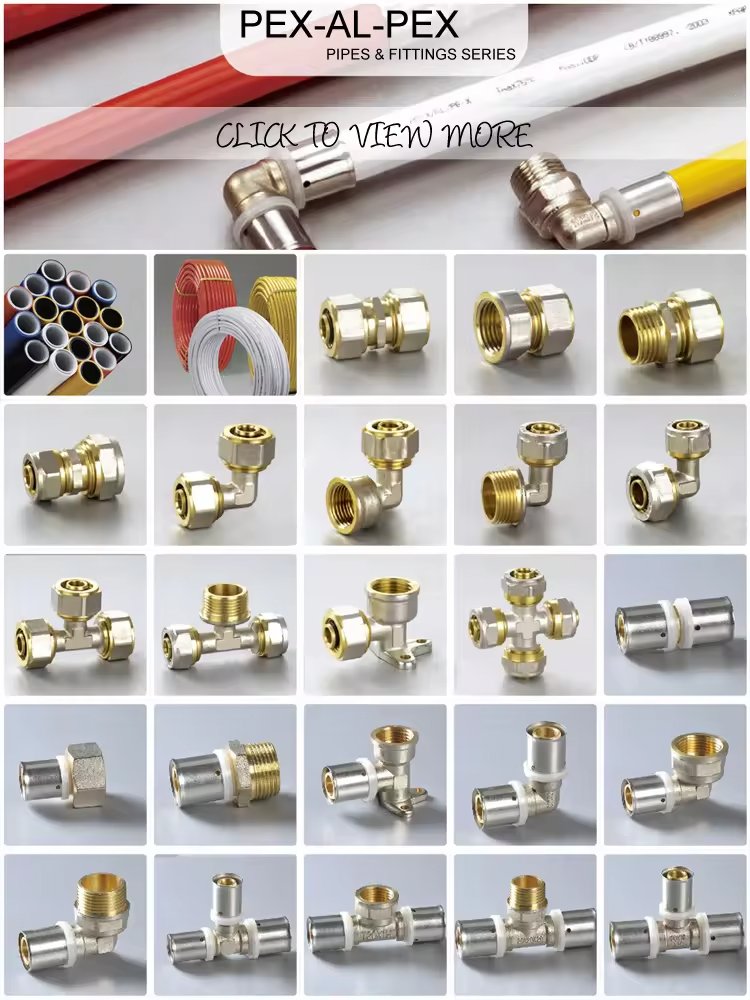
Brass compression fittings are mechanical connectors used to join pipes or tubing. They typically consist of three components:
- Compression Nut
- Compression Ring (Ferrule)
- Compression Body
When the nut is tightened, the ferrule compresses around the tubing, creating a strong mechanical seal that prevents leaks.
Unlike soldered joints, compression brass fittings can be installed quickly and require minimal tools.
Popular search terms include:
- brass compression fittings
- brass compression fitting
- brass fittings compression
- compression fittings brass
- compression brass fittings
Why Brass Is the Preferred Material
Brass has become the industry standard for compression fittings because of its excellent mechanical and chemical properties.
Corrosion Resistance
Brass naturally resists corrosion in water systems, making it suitable for long-term use.
Excellent Machinability
Precision machining ensures accurate threads and sealing surfaces.
High Strength
Brass offers exceptional durability while remaining easy to install.
Temperature Resistance
Brass compression fittings perform reliably in both hot and cold water systems.
Cost Efficiency
Compared with stainless steel alternatives, brass provides excellent value for money.
Types of Brass Compression Fittings
Straight Compression Fittings
Used to connect two sections of tubing in a straight line.
Applications include:
- Water supply systems
- HVAC piping
- Industrial fluid transfer
Compression Elbows
Designed to change pipe direction, typically by 90°.
Applications:
- Residential plumbing
- Heating systems
- Water filtration systems
Compression Tees
Used to split flow into multiple directions.
Commonly found in:
- Plumbing manifolds
- HVAC systems
- Irrigation systems
Compression Reducers
Connect pipes of different diameters.
Applications:
- Commercial plumbing
- Industrial process piping
Compression Valve Fittings
Compression brass valve fittings combine shut-off functionality with compression connections.
Examples:
- Ball valves
- Isolation valves
- Angle valves
Popular keyword:
- compression brass valve fitting
Brass Compression Fittings for Copper Tubing
One of the most common applications is connecting copper tubes.
Brass compression fittings for copper tubing are widely used in:
- Drinking water systems
- Central heating installations
- Boiler systems
- Solar thermal systems
Benefits include:
- Fast installation
- Reliable sealing
- No soldering required
- Easy maintenance
Popular search keywords:
- brass compression fittings for copper tubing
- brass compression fittings for copper pipe
Brass Compression Fittings for Plastic Tubing
Modern plumbing systems increasingly use plastic tubing such as:
- PEX
- PE
- Nylon
- Polypropylene
Brass compression fittings for plastic tubing offer:
- Excellent sealing performance
- Corrosion resistance
- Long service life
These fittings are commonly used in:
- Irrigation systems
- Water treatment equipment
- HVAC controls
- Industrial automation
Brass Compression Plumbing Fittings
Brass compression plumbing fittings are a preferred choice for residential and commercial plumbing projects.
Common applications include:
Water Supply Systems
Used for:
- Kitchen connections
- Bathroom plumbing
- Water heaters
Heating Systems
Suitable for:
- Radiator installations
- Underfloor heating systems
- Boiler connections
Repair and Maintenance
Compression fittings are ideal for repair work because they do not require soldering.
Popular search terms:
- brass compression plumbing fittings
- compression brass fittings plumbing
Advantages of Brass Compression Fittings
Leak-Free Connections
The compression ferrule creates a secure seal around the pipe.
Easy Installation
No special tools are required beyond standard wrenches.
Reusable Design
Many compression fittings can be disconnected and reused.
Reduced Labor Costs
Installation is significantly faster than welding or soldering.
Wide Compatibility
Suitable for:
- Copper tubing
- Plastic tubing
- Aluminum tubing
- Stainless steel tubing
Long Service Life
High-quality brass fittings can last for decades under normal operating conditions.
These advantages make brass compression fittings one of the most trusted connection methods in the plumbing industry.
Applications of Brass Compression Fittings
Residential Plumbing
Used in:
- Kitchens
- Bathrooms
- Water heaters
- Washing machine connections
Commercial Buildings
Applications include:
- Hotels
- Hospitals
- Schools
- Office buildings
HVAC Systems
Brass compression fittings are commonly used for:
- Heating systems
- Chilled water systems
- Fan coil units
- Heat pump installations
Industrial Systems
Suitable for:
- Air compressors
- Hydraulic equipment
- Pneumatic systems
- Manufacturing machinery
Irrigation Systems
Benefits include:
- Easy installation
- Weather resistance
- Long service life
Common Sizes of Brass Compression Fittings
The most frequently used sizes include:
| Nominal Size | Typical Application |
|---|---|
| 1/8″ | Instrumentation |
| 1/4″ | Air and water systems |
| 3/8″ | Plumbing installations |
| 1/2″ | Residential piping |
| 3/4″ | Commercial plumbing |
| 1″ | Industrial systems |
| 1-1/4″ | Large flow applications |
Popular search keywords:
- 1 4 brass compression fitting
- 1 brass compression fittings
How to Install Brass Compression Fittings
Step 1: Cut the Tubing
Ensure a clean, square cut.
Step 2: Slide the Compression Nut
Place the nut onto the tubing.
Step 3: Install the Ferrule
Slide the compression ring onto the pipe.
Step 4: Insert the Tube
Push the tube fully into the fitting body.
Step 5: Tighten the Nut
Use two wrenches to tighten according to the manufacturer’s specifications.
Step 6: Pressure Test
Check for leaks before putting the system into service.
How to Select the Right Brass Compression Fitting
When choosing brass pipe compression fittings, consider the following factors:
Pipe Material
Determine whether the fitting will be used with:
- Copper pipe
- Plastic tubing
- Stainless steel tube
Pressure Rating
Ensure the fitting meets system pressure requirements.
Temperature Range
Verify compatibility with operating temperatures.
Thread Standards
Common standards include:
- BSP
- BSPT
- NPT
- Metric Threads
Certification Requirements
Look for:
- NSF
- WRAS
- ACS
- DVGW
- CE
Quality Standards for Brass Compression Fittings
High-quality fittings should offer:
- Precision-machined threads
- Smooth sealing surfaces
- Accurate dimensions
- High-pressure resistance
- Corrosion-resistant brass material
Manufacturers typically perform:
- Leak testing
- Pressure testing
- Salt spray testing
- Dimensional inspection
Why Choose BORNIC Brass Compression Fittings?
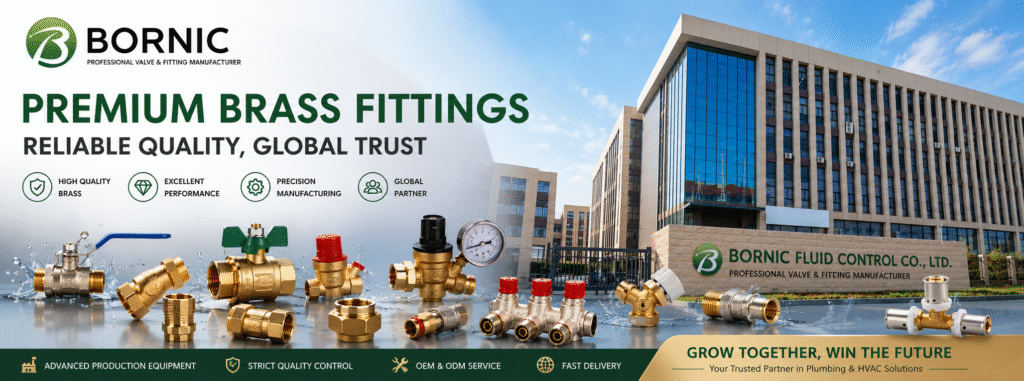
BORNIC specializes in manufacturing premium brass valves and pipe fittings for global plumbing and HVAC markets.
Our brass compression fittings offer:
- High-quality CW617N brass material
- Precision machining technology
- Reliable leak-free performance
- OEM and ODM customization
- Competitive factory-direct pricing
- Strict quality control procedures
We supply a complete range of:
- Brass compression fittings
- Brass pipe compression fittings
- Brass compression plumbing fittings
- Brass compression fittings for copper tubing
- Brass compression fittings for plastic tubing
With years of manufacturing experience and exports to Europe, South America, the Middle East, and CIS countries, BORNIC is your trusted partner for brass connection solutions.
Conclusion
Brass compression fittings remain one of the safest, most reliable, and most economical pipe connection solutions available today. Their ease of installation, corrosion resistance, durability, and versatility make them ideal for plumbing, HVAC, industrial, and irrigation applications.
Whether you require brass compression fittings for copper tubing, plastic tubing, or industrial piping systems, selecting high-quality fittings ensures long-term system performance and safety.
For more information about BORNIC brass compression fittings and customized OEM solutions, contact our team today.
Website: www.zjbornic.com
Email: allison@zjbornic.com
WhatsApp: +86 19157856830