Introduction
PVC pipe valves are widely used in modern plumbing systems, irrigation networks, and water distribution infrastructure. Because of their low cost, corrosion resistance, and ease of installation, PVC valves and fittings are now common in residential and industrial applications.
However, an important question continues to appear in engineering discussions and consumer searches:
Are PVC pipe valves safe for drinking water systems?
This question does not have a simple yes-or-no answer. Scientific studies, regulatory standards, and field observations present different perspectives depending on material grade, temperature, pressure, and water chemistry.
This article explores PVC valves in drinking water applications from a technical, chemical, and regulatory perspective, without giving a fixed conclusion.
What Are PVC Pipe Valves?
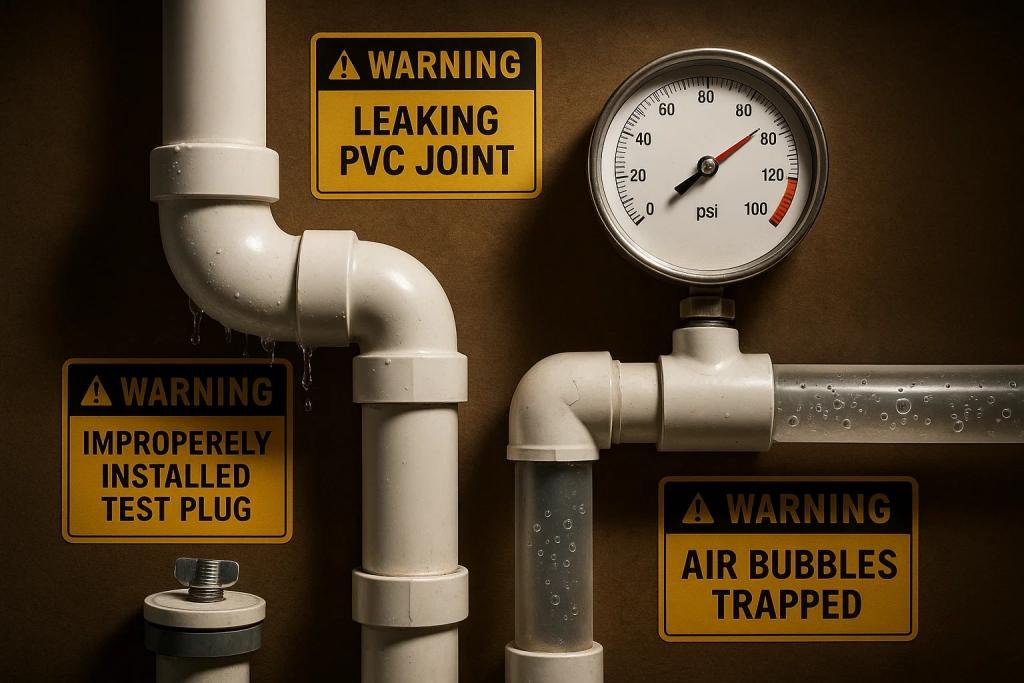
PVC (Polyvinyl Chloride) pipe valves are flow control devices made from thermoplastic polymer materials.
Common types include:
- PVC ball valves
- PVC check valves
- PVC gate valves
- PVC butterfly valves
- PVC irrigation valves
- PVC water stop valves
They are widely used in:
- Agricultural irrigation systems
- Domestic water supply
- Swimming pool systems
- Industrial water circulation
- HVAC water pipelines
Popular search keywords:
- PVC pipe valve
- PVC valve drinking water
- PVC water stop valve
- PVC plumbing fittings
- PVC ball valve water system
Why PVC Valves Are So Widely Used
PVC valves are popular due to several engineering advantages:
1. Corrosion Resistance
Unlike metal valves, PVC does not rust or corrode when exposed to water.
2. Low Cost
PVC systems are significantly cheaper than brass or stainless steel alternatives.
3. Lightweight Structure
PVC is easy to transport and install.
4. Chemical Resistance
PVC can resist many acids, salts, and chlorine-based chemicals.
5. Easy Maintenance
Simple design reduces maintenance requirements.
Drinking Water Systems: Why Material Matters
Drinking water systems require strict material control because water is a direct human consumption medium.
Key concerns include:
- Chemical leaching
- Microplastic release
- Long-term aging
- Temperature sensitivity
- Pressure stress
This is why materials such as:
- Brass (CW617N / lead-free brass)
- Stainless steel
- Certified PEX
are often preferred in high-standard installations.
Scientific Concerns About PVC in Water Systems
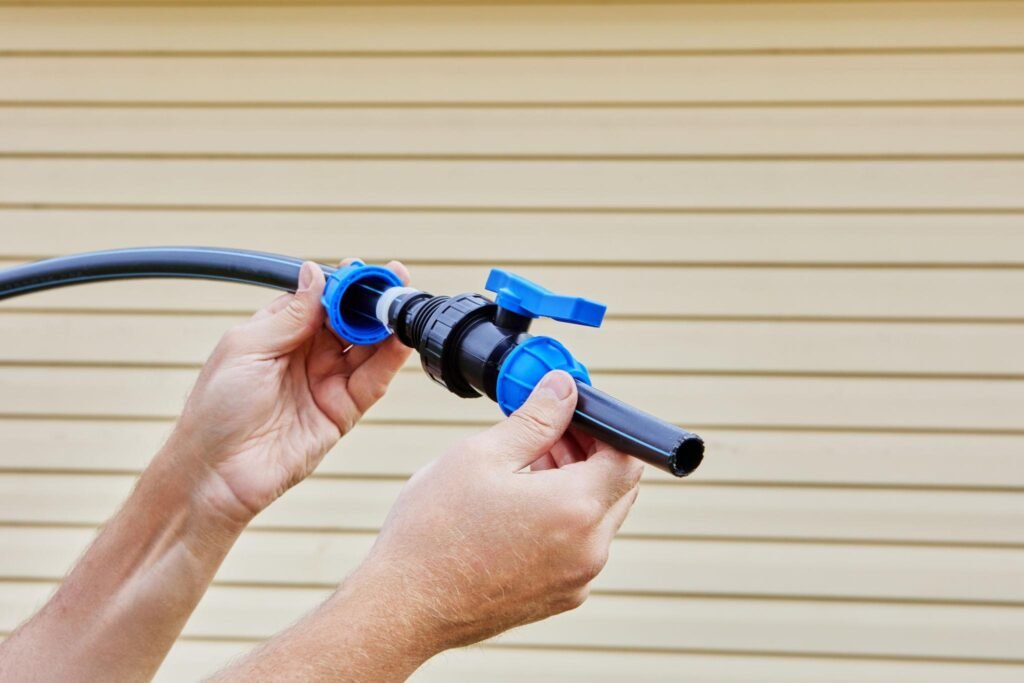
PVC is generally considered stable, but several scientific discussions continue:
1. Additive Migration
PVC products may contain:
- Plasticizers
- Stabilizers
- Processing additives
Some studies suggest that under certain conditions, trace amounts of these compounds may migrate into water.
However, migration levels depend on:
- Water temperature
- Exposure time
- Material grade
- Manufacturing standard
2. Temperature Sensitivity
PVC softens at higher temperatures.
This raises questions:
- Does warm water increase chemical release?
- Does heat accelerate aging?
PVC is generally recommended for cold water systems only in many engineering guidelines.
3. Microplastic Discussion
Recent environmental studies raise concerns about microplastic particles in water systems.
PVC pipelines and valves are sometimes included in these discussions, although:
- Evidence varies
- Testing methods differ
- Real-world exposure levels remain debated
4. Long-Term Aging
PVC can degrade over long periods due to:
- UV exposure (for outdoor systems)
- Chlorine reaction
- Mechanical stress
This may affect long-term safety and performance.
Regulatory Standards for PVC Drinking Water Use
Different countries regulate PVC materials differently.
Common certification systems include:
- NSF/ANSI 61 (water safety materials)
- WRAS (UK water regulations)
- DVGW (Germany water standards)
- ISO potable water standards
- CE marking for EU products
In many cases, PVC products must pass migration and toxicity tests before being approved for potable water use.
However, certification requirements vary significantly by region.
PVC Pipe Valves vs Brass Valves in Drinking Water
A common engineering comparison:
| Feature | PVC Valve | Brass Valve |
|---|---|---|
| Corrosion Resistance | Excellent | Excellent |
| Temperature Resistance | Medium | High |
| Mechanical Strength | Medium | High |
| Chemical Stability | Debated | Stable |
| Cost | Low | Higher |
| Drinking Water Preference | Conditional | Widely accepted |
This comparison shows why both materials are used, but in different system designs.
Where PVC Valves Are Commonly Used in Water Systems
1. Irrigation Systems
PVC is widely accepted for:
- Agricultural watering
- Garden irrigation
- Drip systems
2. Cold Water Distribution
Used in:
- Residential cold water supply
- Non-heated plumbing lines
3. Swimming Pools
PVC is extremely common in:
- Pool filtration systems
- Circulation pipelines
4. Industrial Water Systems
Used for:
- Cooling water loops
- Non-potable water systems
Where PVC Is Often Questioned
Even though PVC is widely used, some engineers raise caution in:
- Hot water systems
- High-pressure systems
- Long-term drinking water pipelines
- Sensitive medical or laboratory water systems
The concern is not failure, but material behavior under long-term stress conditions.
Scientific View: No Absolute Consensus
One of the most important points is:
There is no universal scientific agreement that PVC valves are either fully safe or unsafe for drinking water in all conditions.
Instead, the consensus is conditional:
- Safe when certified and properly used
- Risk depends on environment and application
- Long-term effects still studied in some regions
This is why regulations differ across countries.
Industry Practice Perspective
In real-world engineering applications:
- PVC is widely used in irrigation and cold water systems
- Brass is preferred in municipal drinking water infrastructure
- Stainless steel is used in high-end systems
Each material is selected based on:
- Budget
- Safety requirements
- Temperature conditions
- Regulatory compliance
Key Factors That Influence PVC Safety in Water Systems
1. Material Grade
Not all PVC is equal. Industrial-grade PVC performs differently from low-cost PVC.
2. Manufacturing Quality
Poor processing may increase impurity levels.
3. Water Temperature
Higher temperature increases chemical activity.
4. System Pressure
Excess pressure may stress fittings and seals.
5. Water Chemistry
Chlorine and disinfectants may affect long-term stability.

Engineering Recommendations (Neutral View)
Instead of a fixed answer, engineers often recommend:
- Use certified PVC for potable systems
- Avoid hot water exposure
- Use brass or stainless steel for critical drinking water systems
- Regular inspection in long-term installations
Conclusion
So, are PVC pipe valves safe for drinking water?
From a scientific and engineering perspective, the answer depends on multiple variables including certification, temperature, application type, and long-term usage conditions.
PVC valves are widely used in water systems around the world, especially in irrigation and cold water applications. However, ongoing discussions about material additives, aging behavior, and microplastic concerns mean that the topic remains open for evaluation rather than absolute judgment.
In modern engineering practice, material selection is often based on application-specific risk assessment rather than universal approval or rejection.
Related Products (BORNIC)
- Brass ball valves
- Brass stop valves
- Compression fittings
- Water control valves
- HVAC brass components
Website: www.zjbornic.com
Email: allison@zjbornic.com
WhatsApp: +86 19157856830