Installing a central heating and air conditioning system is one of the most important upgrades a homeowner can make. A properly installed HVAC system improves indoor comfort, increases energy efficiency, and helps maintain consistent temperatures throughout the entire home.
Many homeowners search for answers to questions like:
- How to install central heating and air conditioning
- How much does central HVAC installation cost
- Can I install central air conditioning myself
- How long does HVAC installation take
- What is the best central heating and cooling system for a home
This guide explains the complete installation process, important planning considerations, common mistakes to avoid, and how to maximize system performance for years to come.
What Is a Central Heating and Air Conditioning System?
A central heating and air conditioning system distributes heated or cooled air through a network of ducts connected to vents in different rooms.
A typical residential HVAC system includes:
- Central air conditioner
- Furnace or heat pump
- Air handler or blower motor
- Thermostat
- Ductwork
- Air filters and vents
These components work together to maintain comfortable indoor temperatures year-round.
Choosing the Right HVAC System Before Installation
Before starting installation, homeowners must choose the correct type and size of system.
Popular central HVAC systems include:
Split HVAC Systems
Split systems are the most common setup in residential homes. They use:
- An outdoor condenser unit
- An indoor furnace or air handler
These systems are reliable, affordable, and suitable for most climates.
Heat Pump Systems
Heat pumps provide both heating and cooling using electricity.
Advantages include:
- High energy efficiency
- Lower operating costs
- Eco-friendly operation
Heat pumps are especially popular in warmer climates.
Hybrid Heating and Cooling Systems
Hybrid systems combine:
- Heat pump technology
- Gas furnace backup
These systems automatically switch between electricity and gas for maximum efficiency.
How to Size a Central HVAC System Correctly
One of the most important parts of HVAC installation is choosing the correct system size.
Many homeowners assume a larger HVAC system is better, but oversized systems can cause:
- Uneven temperatures
- High humidity
- Increased energy bills
- Short cycling
- Faster equipment wear
Professional HVAC contractors use load calculations based on:
- Home square footage
- Insulation quality
- Number of windows
- Climate zone
- Ceiling height
- Air leakage levels
Correct sizing improves comfort and extends HVAC lifespan.
Step-by-Step Guide: How to Install Central Heating and Air Conditioning
Installing a central HVAC system requires careful planning and professional expertise.
Below is a simplified breakdown of the process.
Step 1: Inspect Existing Infrastructure
Before installation begins, technicians inspect:
- Existing ductwork
- Electrical systems
- Vent locations
- Insulation quality
- Drainage access
If the home already has usable ductwork, installation costs may be lower.
Older duct systems may need repair or replacement to improve airflow efficiency.
Step 2: Install or Upgrade Ductwork
Ductwork distributes heated and cooled air throughout the house.
Poor duct design reduces efficiency and creates uneven room temperatures.
The installation process includes:
- Designing airflow layout
- Installing supply and return ducts
- Sealing duct joints
- Adding insulation around ducts
Proper duct installation helps improve indoor comfort and reduce energy waste.
Step 3: Install Indoor Furnace or Air Handler
The indoor unit controls airflow and heating functions.
Installation steps include:
- Positioning the furnace or air handler
- Securing the unit properly
- Connecting ducts
- Installing drain lines
- Connecting electrical wiring
Most indoor units are installed in:
- Basements
- Utility rooms
- Attics
- Garages
Step 4: Install Outdoor Air Conditioning Unit
The outdoor condenser is responsible for removing heat from the home.
Technicians will:
- Place the unit on a concrete pad
- Ensure proper ventilation clearance
- Connect refrigerant lines
- Install electrical disconnect switches
The outdoor unit should remain free from debris and plants to maintain proper airflow.
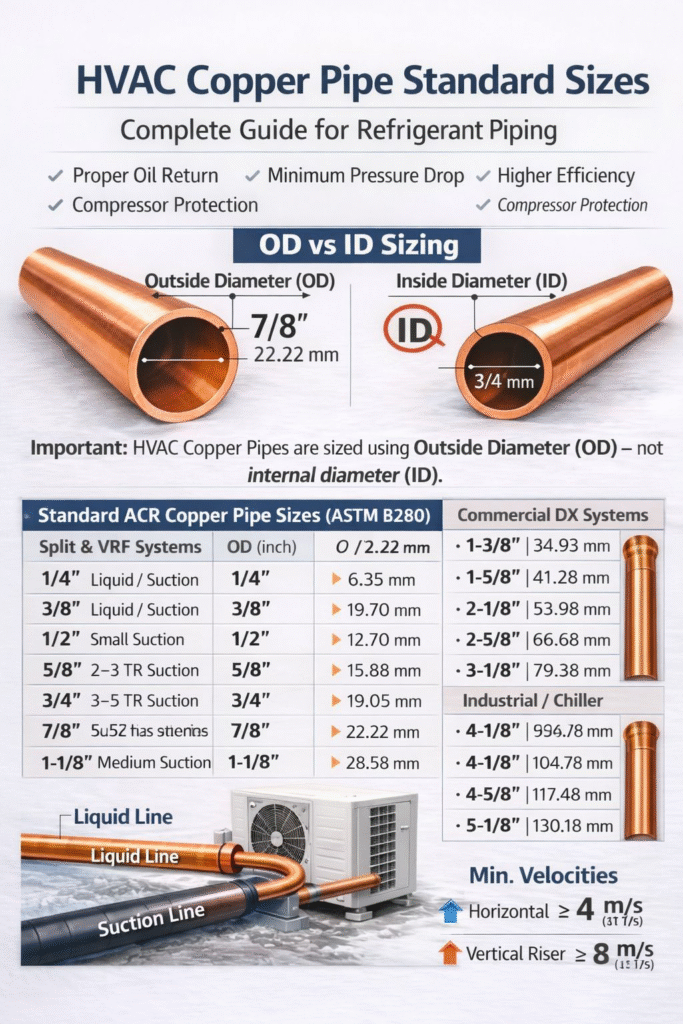
Step 5: Install Refrigerant Lines
Copper refrigerant lines connect the indoor and outdoor units.
This process involves:
- Measuring line length
- Insulating refrigerant tubing
- Vacuuming moisture from the system
- Charging refrigerant levels correctly
Improper refrigerant installation can reduce system efficiency and damage the compressor.
Step 6: Connect Electrical Wiring
Central HVAC systems require dedicated electrical connections.
This stage includes:
- Wiring the thermostat
- Connecting breaker panels
- Installing safety disconnects
- Testing electrical components
Many homeowners also install smart thermostats during this phase.
Smart thermostats improve energy efficiency and temperature control.
Step 7: Install Air Filters and Vent Covers
Air filters improve indoor air quality by trapping:
- Dust
- Dirt
- Pet dander
- Pollen
Choosing high-quality HVAC filters helps protect the system and improve airflow performance.
Vent covers are then installed throughout the home.
Step 8: Test the HVAC System
After installation, technicians perform complete system testing.
This includes:
- Checking airflow balance
- Measuring refrigerant pressure
- Testing heating and cooling cycles
- Inspecting thermostat accuracy
- Verifying electrical safety
A properly calibrated system delivers maximum comfort and efficiency.
How Long Does HVAC Installation Take?
One of the most common homeowner questions is:
“How long does it take to install central heating and air conditioning?”
Typical installation times include:
| Installation Type | Estimated Time |
|---|---|
| HVAC replacement using existing ducts | 1–2 days |
| Full HVAC installation with new ductwork | 3–7 days |
| New construction projects | 1–2 weeks |
Installation time depends on:
- Home size
- Ductwork complexity
- Electrical upgrades
- Equipment availability
How Much Does Central HVAC Installation Cost?
Central heating and air conditioning installation costs vary depending on system type and home size.
Average installation costs:
| HVAC System Type | Typical Cost Range |
|---|---|
| Basic central HVAC system | $6,000–$10,000 |
| High-efficiency system | $10,000–$18,000 |
| Premium variable-speed HVAC | $18,000–$25,000+ |
Additional costs may include:
- New ductwork
- Smart thermostat installation
- Electrical panel upgrades
- Insulation improvements
Can You Install Central Air Conditioning Yourself?
Some homeowners search for DIY HVAC installation solutions.
While small maintenance tasks are manageable, full HVAC installation is not recommended without professional training.
HVAC installation requires:
- Refrigerant handling certification
- Electrical expertise
- Airflow balancing knowledge
- Building code compliance
Improper installation can lead to:
- System damage
- Poor efficiency
- Warranty voiding
- Safety hazards
Professional installation delivers better long-term performance.
Common HVAC Installation Mistakes
Avoiding installation mistakes is critical for system reliability.
Incorrect System Sizing
Oversized and undersized systems both reduce efficiency.
Poor Duct Sealing
Leaky ducts waste conditioned air and increase energy bills.
Incorrect Refrigerant Charge
Improper refrigerant levels can destroy compressors.
Bad Airflow Design
Improper airflow creates uneven temperatures and discomfort.
Cheap Installation Labor
Low-cost installation often leads to expensive future repairs.
Choosing experienced HVAC professionals is extremely important.
Best Ways to Improve HVAC Efficiency After Installation
After installation, homeowners can maximize efficiency by following these tips.
Replace HVAC Filters Regularly
Dirty filters reduce airflow and increase energy usage.
Most filters should be replaced every 1–3 months.
Schedule Annual HVAC Maintenance
Routine inspections help prevent breakdowns and extend equipment lifespan.
Professional servicing includes:
- Coil cleaning
- Refrigerant checks
- Electrical inspection
- Airflow testing
Improve Home Insulation
Good insulation reduces HVAC workload and improves temperature stability.
Use Smart Thermostats
Programmable thermostats automatically optimize heating and cooling schedules.
This reduces energy consumption and improves comfort.
Keep Outdoor Units Clean
Remove leaves, dirt, and debris around outdoor condensers to maintain airflow.
Signs You Need a New HVAC System
If your current system shows these signs, replacement may be necessary:
- Rising energy bills
- Frequent repairs
- Uneven temperatures
- Excessive noise
- System older than 15–20 years
Modern HVAC systems are significantly more efficient than older units.
Benefits of Installing a Modern Central HVAC System
A new central heating and cooling system provides many advantages.
Better Energy Efficiency
Modern systems use less electricity and reduce monthly utility costs.
Improved Indoor Comfort
Variable-speed systems maintain more stable temperatures.
Better Indoor Air Quality
Advanced filters and humidity control improve breathing comfort.
Higher Property Value
A modern HVAC system increases home resale appeal.
Final Thoughts
Learning how to install central heating and air conditioning helps homeowners understand the importance of proper planning, equipment sizing, and professional installation.
A high-quality HVAC installation improves:
- Energy efficiency
- Indoor comfort
- Air quality
- Long-term reliability
Whether installing a new system or replacing an old unit, choosing experienced HVAC professionals and high-efficiency equipment can save thousands of dollars over time.
A properly installed central HVAC system can provide reliable heating and cooling for 15 to 20 years with regular maintenance and care.